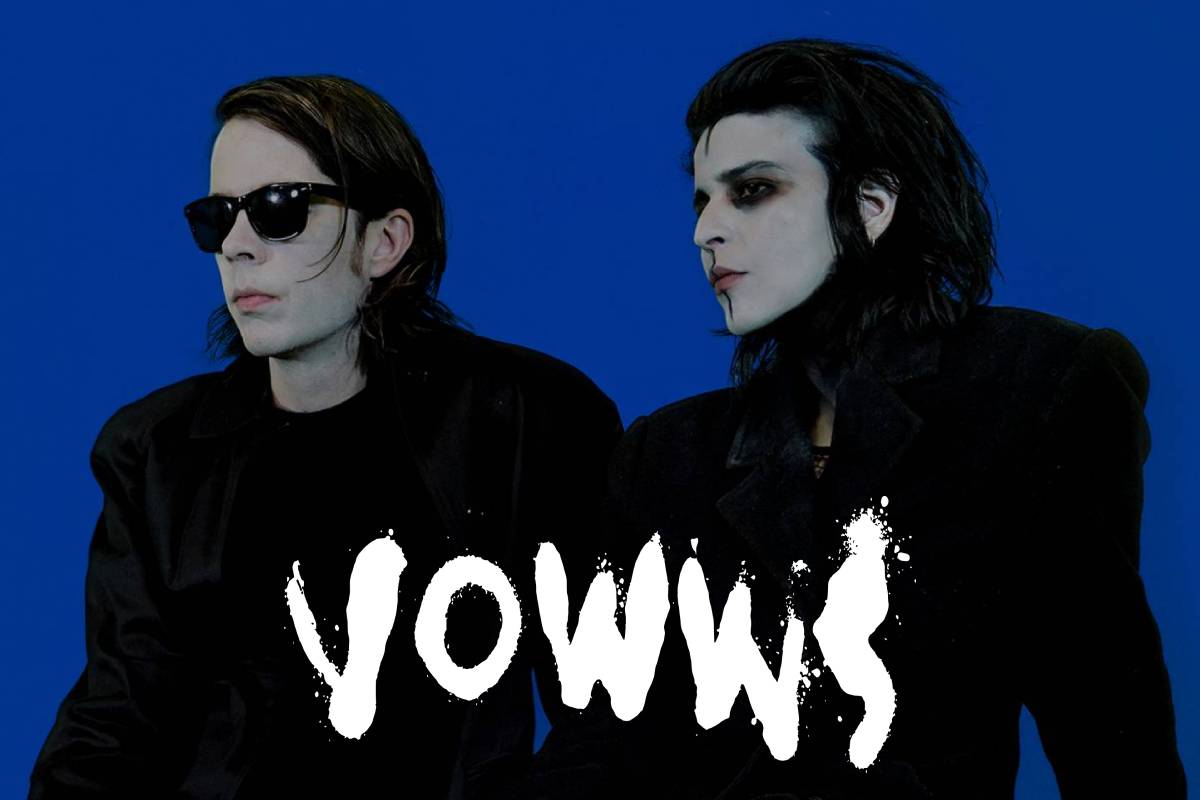
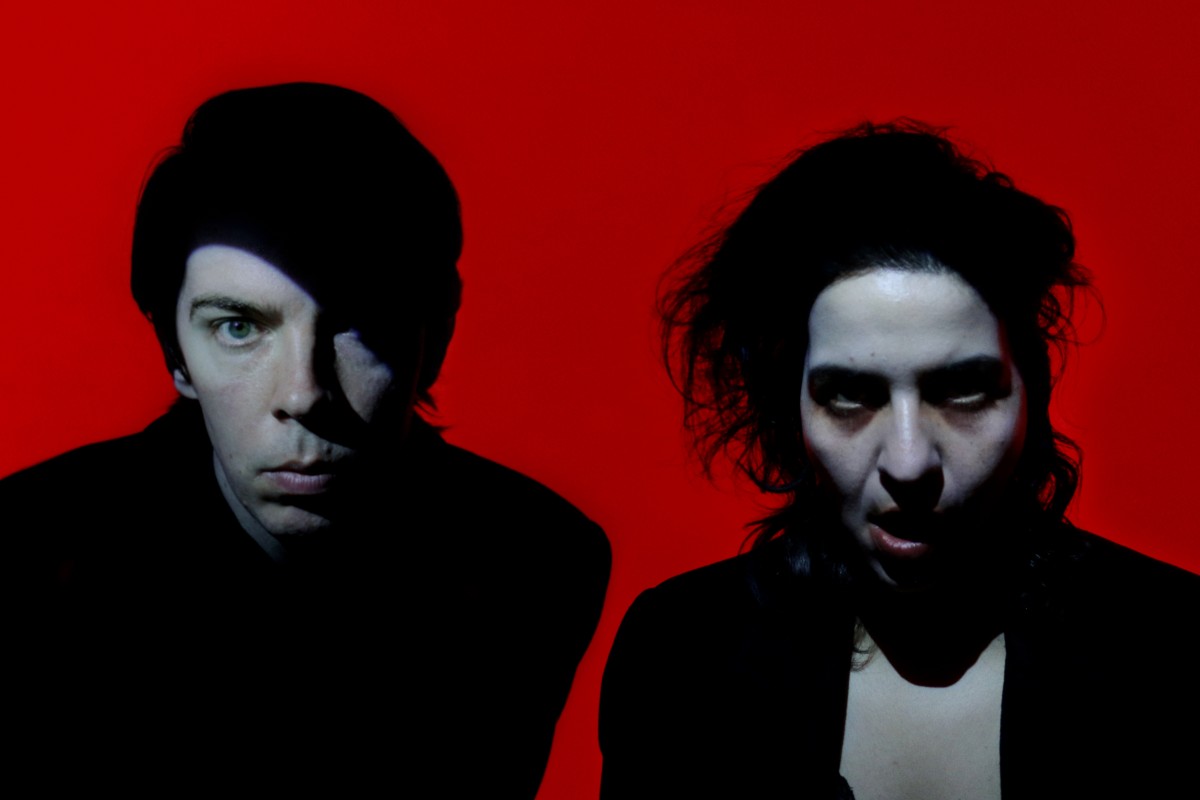
Backstage at The Crocodile on 4 April, just before the Sleepless Empire show in Seattle, I had the opportunity to sit down with Matt James of VOWWS. Having followed the band for several years, it was a moment I approached with both excitement and genuine appreciation. What followed was a fun, relaxed, and engaging conversation that moved easily between touring life, creative process, and the evolving identity of VOWWS. Matt proved to be not only thoughtful and insightful, but also genuinely warm — it was truly a pleasure to speak with him.
Interview with: Matt James
Conducted by: Tiffany
Edited by: Jerneja
Tiffany: Lovely to meet you, Matt, and thank you for taking the time for this interview. I once saw a backstage interview with Rizz where she was talking about her favourite cities to visit. She said Seattle was one of them. So I was wondering — do you love it here as well?
Matt: Oh, I love it here. We were actually driving into the city, and it was just, like, one piece of beauty after another. We even mentioned it in the van — we were like, yeah, we really love coming here. There's something interesting about the downtown area, the way it slopes down towards the water. There's something really, really pretty about that. It's not just a flat city — it's interesting, the way it sits geographically. And it's just got a lot of cool stuff going on. Yeah. We like it here a lot.
Tiffany: So what are some of your other favourite cities to visit?
Matt: Well, we've just come through Denver, and it's not so much that we see the city — because whenever we play somewhere these days, we mostly just see the hotel and the venue, and not much else. But in terms of the actual show, the people, the whole vibe… Denver is really hard to beat. It was a lot of fun. The tour started in New York, so we had to drive across — because of tour logistics — we live in LA, and the tour kicked off in New York. So we had to do this five‑day drive across the country just to get to the start of it. And by the end of that, you're a bit brain‑dead. But then, when you get to New York, it wakes you up. It reminds you that you're about to do something. So that was cool. Chicago… you know, we've got a bit of a romance with all the big American cities, obviously. But the more you see, the more you start to appreciate the smaller ones too. Like, we were in Boise last night, and it was just… it's a feel‑good place — or at least where we were — just a really nice spot with down‑to‑earth people. Every few months, I change my favourite everything.
Tiffany: And you were in Salt Lake City before Boise, right? That's my hometown. What did you think of that?
Matt: I like it. I love the history of it — I find it really, really interesting. Brigham Young… it's got to be, if you asked ChatGPT to give you the most masculine name possible, it would come back with something like Brigham Young. Just really solid. I mean, whatever — I'm not a Mormon, but… anyway, I find the history of Salt Lake really interesting, and it's fucking beautiful. We stayed at a hotel where we could see — I think it was downtown — this building with a radio tower, probably a famous one or something, and then just snow‑capped mountains behind it. It was really amazing. Very pretty.
Tiffany: Yeah, it really is. Well, I first discovered you guys when you were here — I guess it was almost exactly four years ago — in April of 2022. You opened for Gojira and Deftones.
Matt: Yeah. That was big — I remember being on stage and looking out, and it was just a sea of people, so deep, so far.
Tiffany: Because that theatre, right? It was WAMU Theater, I think, and it's just this big, giant open space — so it's like, what's happening?
Matt: It was our second show in two years because of COVID. The first one was at the Moda Center in Portland. But Deftones are so much bigger now than they were then. For that show at the Moda Center, they cut it off sideways, so they were basically using half the arena. I'm sure these days they'd probably do the whole thing two nights in a row.
Tiffany: Yes, I saw them last year at Climate Pledge Arena, and it was packed.
Matt: I think they've just done multiple nights at Madison Square Garden or something.
Tiffany: Yeah, it's crazy. This late into their career, they've just blown up again.
Matt: Yeah, they have. I think part of it is because they never stopped making music. Anyone who discovers them now — whether it's through TikTok or whatever's going on — suddenly has ten albums to dig into. Ten or eleven now… ten, whatever it is. They've just got so much material. And they never stop. I really admire that about them.
Tiffany: And Chino collaborates with everybody — including you guys — which is really cool. Because when you have so many projects, and he's got ††† (Crosses) and all these other things, people discover those and then go back and think, oh, what are Deftones about? He's got his hands in every pot.
Matt: He's a very curious person, I think. And he hasn't lost that. Especially when you're a musician at that level — it probably takes work to maintain that, to not get complacent or swept along.
Tiffany: When I first saw you on that show, the thing that hit me immediately was how distinct your sound is. Usually, you hear a band and think, oh, they remind me of this or that — but with you guys, it's really difficult to do that.
Matt: I appreciate that, because a lot of people come straight in with the Depeche Mode reference — and I understand why — but we're not hugely influenced by them. You always look at certain bands and try to figure out where you sit, I suppose. But yeah, it's good, because we try not to sound like anyone else, so I think you're kind of spot on by saying that. Or at least it makes me feel good.
Tiffany: It's true. And I was just listening — while I was preparing for this — I've been going through a lot of your stuff, listening at the gym or wherever, and I kept thinking, what does this remind me of? And I just couldn't pin it down. There are so many bands where you immediately go, "Oh, someone likes The Sisters Of Mercy", and you can hear it straight away. Or, "Someone's into Deftones". But you guys don't have that. And with your vocals too — Rizz doesn't sing like anybody else, and you don't either. It's really cool. So I wanted to ask you — because it's not obvious from listening — who are your influences?
Matt: Yeah, it definitely changes. It's funny — on this tour I'm going through a Faith No More phase. When I was a teenager, they were a huge band for me. I think it was because they were still rock music — heavy and all that — but there was something very different going on. I was also a Mr. Bungle fan, so I knew where Mike Patton was coming from and what he was bringing into what was essentially a commercial project. He dragged it in a certain direction that was very, very unusual. They were using a commercial platform to put their version of art out into the world, and doing it without giving a fuck about whether it sold. Maybe their career, quote‑unquote, "suffered", but they made great art. And that's the thing — after being a teenager, I turned my back on it completely because I thought, well, I can't do that; I can't dream of doing anything like that as well as they or him. So I went off in other directions. Now I'm coming back around to it, appreciating it in a completely different way.
Tiffany: That's really cool. And it's hard, isn't it — not comparing yourself to people you love. You just go, "Never mind, I'm never going to be that good; I'm not doing it".
Matt: I tend to run away from stuff like that. And especially with Mike Patton and all his projects — he's an incredibly unique and versatile vocalist. You can't compete with that. You just can't. When we were starting out… they're huge in Australia, like disproportionately huge, yeah. And we were friends with a lot of bands and artists who tried to be like him, and it was always lame. Because you can't do that. So don't try; try something else. So my instinct was to run a million miles from it. Only now am I coming back to rediscovering it. Whereas with other influences… yeah, if you want me to go into those, I can. But that's something I've been thinking about — that I'm coming back to certain things I was into in my formative years.
Tiffany: That was actually the next question I was going to ask you. What are you listening to now? Does it come full circle?
Matt: It kind of does, yeah. I'm doing that at the moment. Another band like that for me is Radiohead. If anyone asked me what my favourite band was, I would name them. Back when people bought records, I'd buy theirs sight unseen. Now they're just my comfort music. I think they're one of those artists where you know what you're going to get, and it's always going to be good — generationally good. I always thought they were a newer Pink Floyd, in the sense of being almost experimental but still having that worldwide impact, being really important for a whole generation. And, in a way, they kind of taught me how to write music as well.
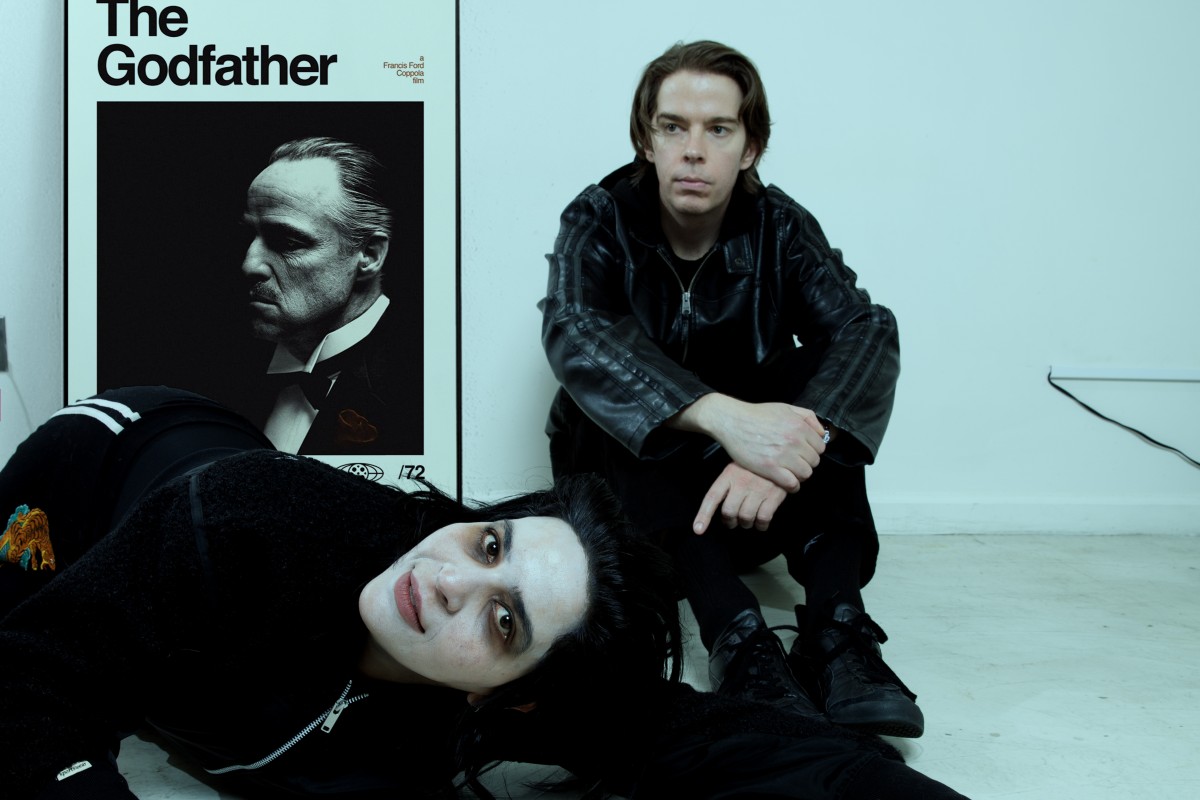
Tiffany: So that brings me to my next point about you writing music and the sound you have, which is so unique. You've got this catchy, structured, hook‑driven thing going on, and at the same time, it's chaotic, melancholic, dark, mysterious. Is that what you mean when you refer to yourselves as "death pop"?
Matt: Kind of, yes. We're really into oxymorons and that sort of thing. Years and years ago, we came up with this idea—well, we didn't invent it, but we called it "happy sad". And it's basically that feeling of melancholy, right? Melancholy isn't necessarily a bad feeling. It's reflective, and it can be healing, even if it's tinged with sadness, or reflection, or regret, or whatever. We definitely try to capture more than just one feeling in a piece of work. That often extends to trying to hold a whole breadth of emotion within a song. We don't try to limit whatever feelings come into it—that connects them to the lyrics as well. I think when you write lyrics—when we write lyrics—they tend to write themselves in the sense that if you follow an idea properly, it becomes coherent. So you're not all over the place in that way. But the music can express a lot of different things and take on a lot of different flavours. So I can see how it might come across as, on the one hand, poppy and catchy, and on the other, crazy and chaotic. That's what "death pop" is meant to capture.
Tiffany: So, how do you approach vocal melodies with that kind of formula? Because when I try, I always end up going straight to "sad" — it just comes naturally; to punch in happy seems unnatural. So when you talk about "happy sad", does one side always come more naturally than the other? Does one feel a bit forced or try to dominate the other when you're working on vocals?
Matt: It's definitely part of it. There's a really good balance between Rizz and me, because I sometimes have a tendency to write things that veer towards sounding a bit canned — simply because I can. I can write in a lot of different ways, and I'm quite an adventurous writer. Although one of my favourite sayings is: "just because you can, it doesn't mean you should". So sometimes I'll come up with something and take it to Rizz, and she'll just go, "What the fuck is this?" There's very rarely a song I bring in, start to finish, where she says, "That's great, that's exactly how it should be". Firstly, we're a duo, and secondly, that's our quality control. Each song tends to start with a thread that tells you whether it's going to be sad, wistful, punishing, fun — whatever. But I really enjoy playing with juxtaposition: taking a really punishing beat and putting a lilting, sweet melody over the top. It's not a new idea, but if you play with it, you can come up with things that start to feel genuinely original, as long as you stay adventurous and don't settle too quickly. It's tricky because sometimes a song arrives fully formed and just works, and you shouldn't overthink it. But other times, you shouldn't settle for the first idea. I think, over time, we've got better at knowing when to push harder and when something is already right the moment it appears. I'm not sure I've actually answered your question...
Tiffany: You did. So when you two sit down or start working on something, do you each tend to bring certain elements? Like, does Rizz always start the vocal stuff, or…?
Matt: It tends to be… I'm the one who does more of the sitting down, getting into the weeds, and starting ideas. The way Rizz and I connect musically — some of it is almost like she's the producer and I'm the artist. It's not a perfect metaphor, but she's the tastemaker, the one who'll say, "Don't do that or that's great — follow that". And I'm more the one going, "Okay, cool. How about this?" Also, I crave direction. I can feel pretty lost when it's just, "Do anything". It's that blank‑page syndrome writers talk about — it sucks. So I rely on her a lot. And she deliberately stays a bit more detached from the process, because it allows her to react to it rather than get stuck in the weeds. I'm usually the one stuck in the weeds, doing the craft side of it, so I lose perspective sometimes. So we both have these sorts of defined roles. If we're in a writing phase, I'll be up there every morning writing just for the sake of it — because that's the process. Hopefully, by the end of the day, I'll have a couple of ideas to bring to her, and she'll go, "Yay" or "Nay".
Tiffany: I have a project where it's similar, but I'm in your spot. I write the stuff, and he tells me, "No, we're done. That song's finished", or whatever. Because I tend to want to rework it — I want to do this, I want to do that. It's that natural impulse to think, "I can make it better. It's working, it's working, keep going". And then at some point it just becomes, "Nope. It's not working anymore".
Matt: Yeah, it's like those memes about creativity: "This is amazing. Okay, this could be better. Actually, this isn't that great. This sucks. This is terrible". And then, by the end, you're like, "Alright, it's great. It's good".
Tiffany: So, how do you know when you've finished a song? Do you decide together, or is it mostly Rizz saying, "Okay, that's done now", or…?
Matt: I think over the years we've just got better at managing the process. Sometimes you simply wear yourself out as well. You get to a point where you think, "I can't do any more. Is it good enough? Okay — if it's good enough, that's fine". Because sometimes things aren't perfect. We've released songs where, looking back, you think, "Yeah, that could've been better". But it captures a moment in time. So being a bit less precious about perfection really helps.
Tiffany: And understanding how other people are experiencing it too, right? Because someone else might think it's the best thing they've ever heard.
Matt: Yeah, that's happened enough times that you learn to let go a bit. You start to trust that when the process naturally wraps up, it's probably finished. Experience is a huge part of it — you make mistakes, and you learn from them.
Tiffany: That thing you think of after the song's been recorded — you might end up implementing it in the live sets down the road, right?
Matt: Yeah, exactly. You can change it. And actually, that's spot on, because sometimes we've written songs and played them live before we record or release them. When you're playing them, you get a sense of how they feel — maybe how people react, but more importantly, how you feel performing them in front of a crowd. It gives you a completely different perspective.
Tiffany: So you and Rizz were in a band together before you formed VOWWS, right?
Matt: Yeah, we were in a couple of bands in Australia.
Tiffany: So, did you consciously decide to do your own thing, or did it just organically turn into that, and you broke away?
Matt: It was more the latter. It's hard to make a living doing music in Australia — the population is small compared to the huge distances you have to cover if you want to tour. The industry's small too. A lot of Australian bands try to build something at home first so they can use that to get overseas. And then there are people like us who just go, "Fuck it, let's go overseas first", and then spend five years trying to get our shit together. It's a trade‑off. But no, I think once our bands in Australia naturally came to an end… One of the main ones had a bass player and a drummer who had their own lives and different priorities. They didn't want to put everything on the line for this. We were upset at the time because we wanted to do it — but it's completely understandable. Not everyone wants this life. So, naturally, we went our separate ways. And when that happened, Rizz and I were like… We'd come to LA to make a record with that band, and we got a little taste of America. And it wasn't what you see in the movies — it's just normal people. We enjoyed ourselves, our eyes were opened, and there was this sense of potential, of being able to reinvent yourself a bit. When you grow up in a smaller country, it's like growing up in a small town — everyone knows you, or thinks they know you, and they put you in a box, for better or worse. We wanted to break away from that. So it all just naturally became, "Alright, fuck it, let's go and do our own thing". And that lined up with going overseas, too. It was all one big, slightly misguided adventure at first.
Tiffany: But look at what you've done since you've been here.
Matt: Yeah, we wouldn't change a thing.
Tiffany: And your list of collaborators is so impressive. You've worked with so many veterans. How has that been?
Matt: It's been great. It's funny because before we had any real success — and by success I just mean some kind of validation, a bigger audience, whatever it might be — we already had people we admired, even some of our heroes, giving us… I don't want to say "validation" because it sounds egotistical, but they helped us realise that what we're doing is worthwhile. And you really need that sometimes. So that happened first, which was really, really fucking cool. One thing I've noticed is that most of your heroes are just normal people. They do it the same way you do, and in some ways, they're in the same boat. When it comes to the actual work, everyone has the same kinds of problems and joys. That's been really interesting to learn. Because you always imagine them as these untouchable figures — like they live inside the TV. They're on your laptop screen, you know? And then you meet them and realise they're just people.
Tiffany: Do you have any favourite experiences or stories from some of the collaborations you've been part of?
Matt: I'd say our favourite relationship is definitely with Billy Howerdel. He's just a very generous, fucking lovely person. It's crazy how down‑to‑earth he is. Sometimes we're like, "Dude, you're too nice — you need to be more quarrelsome!" But no, he's just a genuinely sweet, grounded family man who's taken us under his wing and helped us a lot. I remember when we were working on the last album with him — we were spending a lot of time at his place, going over there every day or every other day. And Rizz said to me — she's good at this because she's more in the moment — she said, "You're going to look back on this and get a bit emotional. You're going to remember it and love it". And I was like, "Whatever, I just want to make sure we get this, this and this done". But as time's gone on… yeah. That is my favourite time with anyone we admire and have worked with — being at his place, with his family, all of them lovely. It was grounding. Because sometimes when you're working with people you admire, your heroes, it's the opposite of grounding. But with him, for whatever reason — just the way he is — it was grounding. And we really needed that at the time.
Tiffany: We saw you guys with him at Neumos — two or three years ago.
Matt: Yeah, just after the Deftones tour. His solo tour. That was really fun.
Tiffany: It was such a good fit. And then hearing he was working with you on your album, I was like, "Oh shit, this is going to be great".
Matt: Well, that's basically how we became friends with him — spending a month on a bus together. You really see how someone reacts to the stresses of touring. And he was just so… We call him our LA dad. We have an American family now.
Tiffany: That's funny. Let's see what other questions I have for you. Oh — are you guys film enthusiasts?
Matt: Rizz a bit more than me, yeah. But the films we enjoy together, we really get into — mainly for the artistic inspiration we can take from them.
Tiffany: Yeah, for sure. Visual stuff, concepts, all of that.
Matt: Yep, yep. And also film music.
Tiffany: Yeah, that was my question — if you were to rescore a movie, what would you want it to be?
Matt: Taxi Driver.
Tiffany: Oh, yes! You guys would be perfect for that!
Matt: It was just the first thing that came to mind, because it's such an incredible‑looking film. You can watch the whole thing with no sound — it still works. There was another one… I wish I could remember the name. It's a late‑70s film about these competing gangs in New York. I can't remember what it's called, but it was almost campy, yet visually beautiful. I mean, New York's an amazing backdrop for any film if it's done right. But yeah — without thinking too hard about it, I'd have to say Taxi Driver.
Tiffany: Perfect. I love it. So what's on the horizon for you guys next?
Matt: We've got a bunch of touring coming up. And in between that, we're working on getting a new record out ASAP. Which means… we actually have to make it. We've got about fifty song ideas sitting in the can, so we need to flesh them out. We're also looking at doing some more low‑key releases this year — maybe an EP or something — just because we've got loads of ideas and we want to keep things moving. We took too long, for various reasons, between our second and third albums. It was a whole process.
Tiffany: This most recent album was worth the wait. It's so good.
Matt: Oh, thank you. Well, that's the thing: we want to get another one out soon, but then we're like, "should we rush it?" We don't want to, because we feel like we've raised the bar for ourselves. So… yeah. But yeah, definitely new music, lots of touring.
Tiffany: Okay, great. Well, I feel like I've taken plenty of your time already, so I don't want to keep you much longer. I really appreciate you meeting with us.
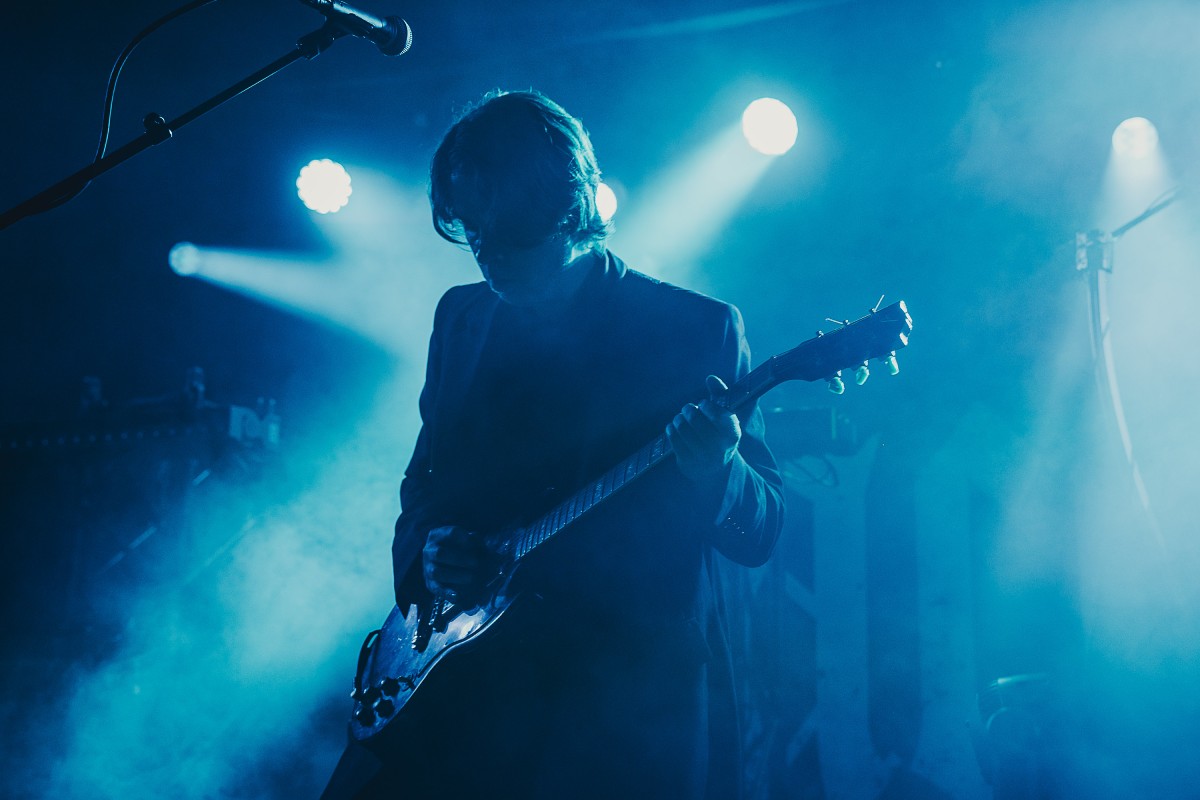
Live photos by Greg Goudey
VOWWS links: Official Website, Facebook, Instagram, YouTube
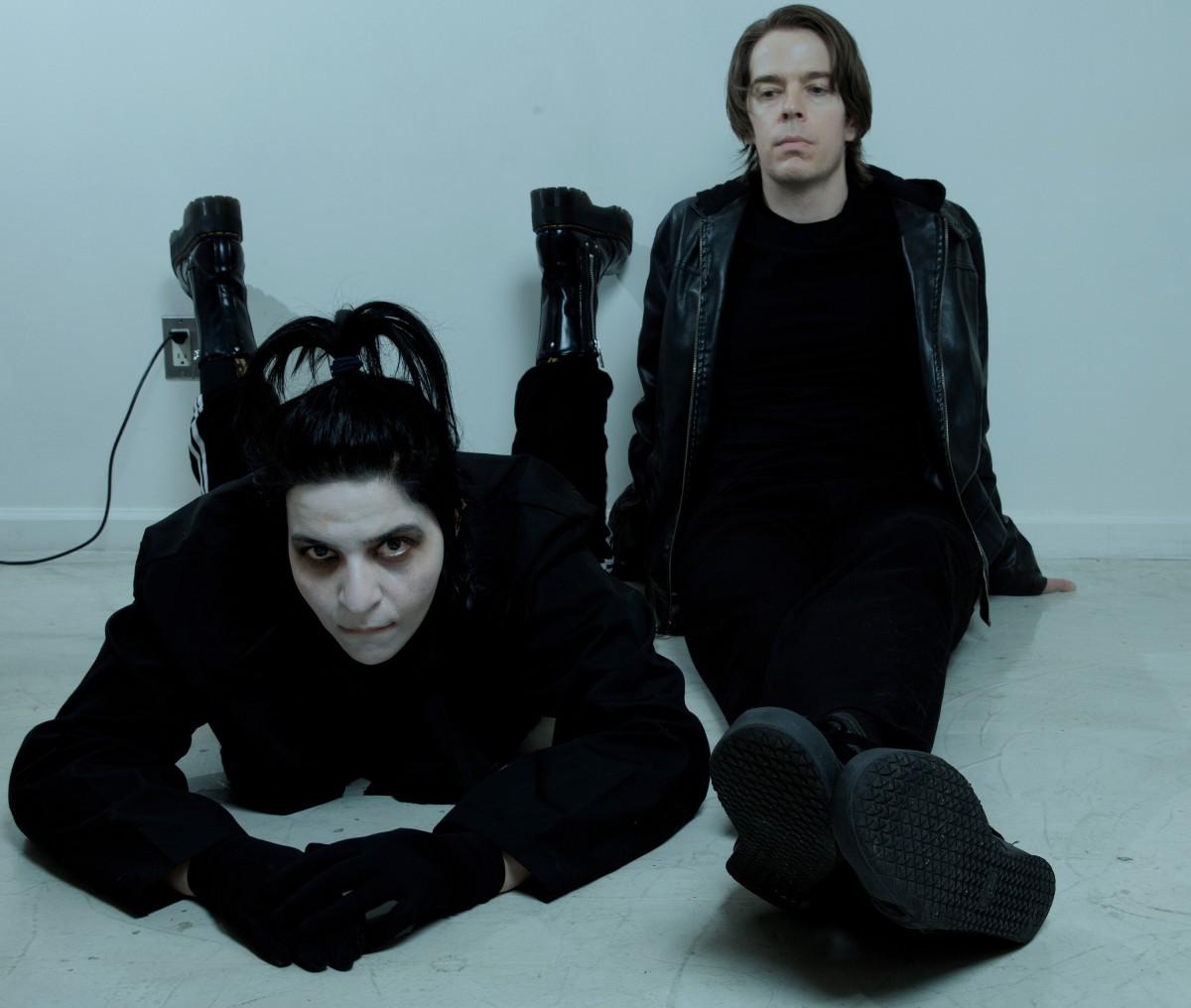
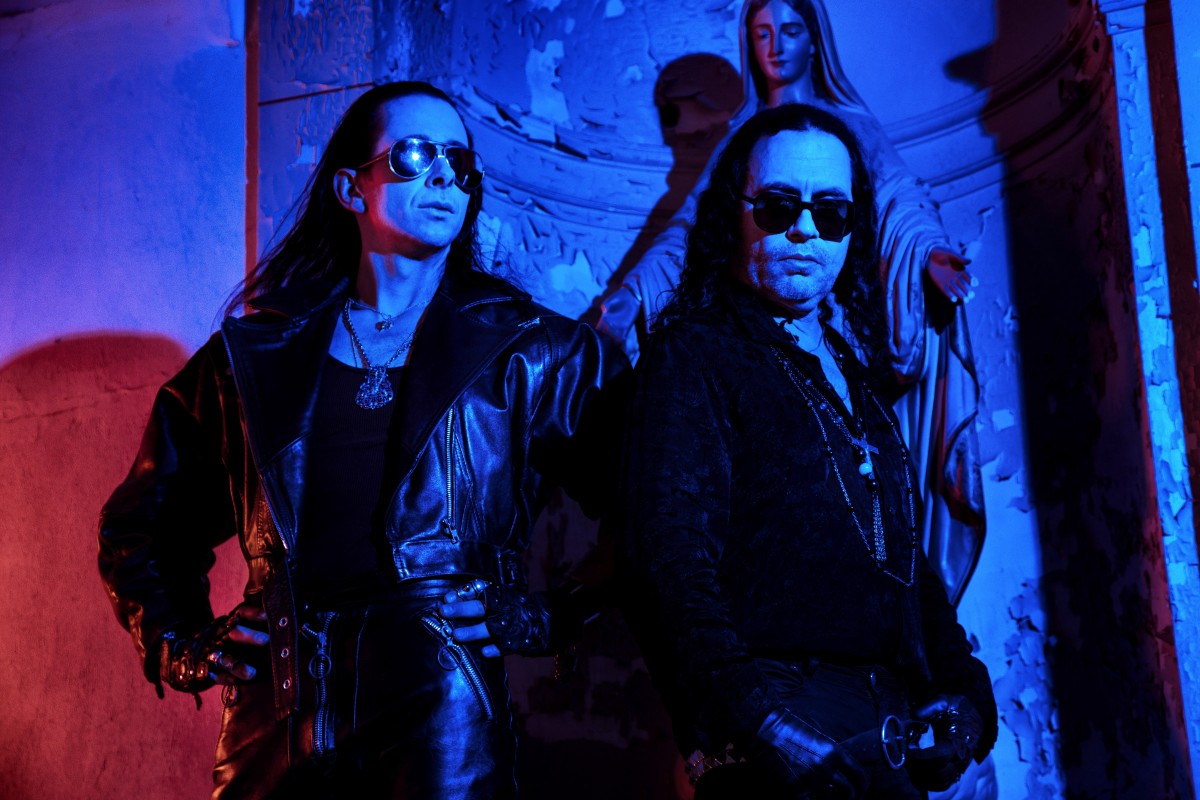 "All of us want to bring back analogue methods—doing everything by hand. AI is completely outside our creative universe. It's a system designed to make things easier and faster." - Andy Julia
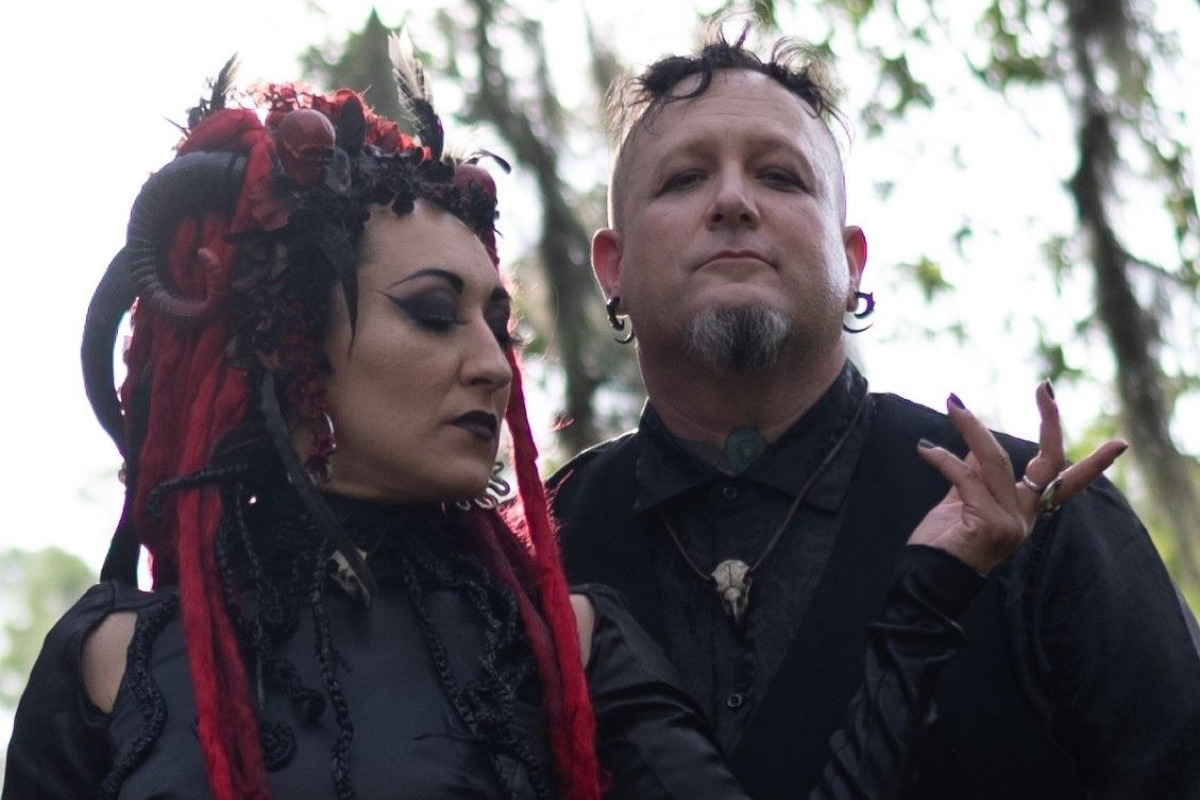 "We paused our work as I was grieving heavily, but once we returned to it, things took on a whole new meaning." - LV Darkling
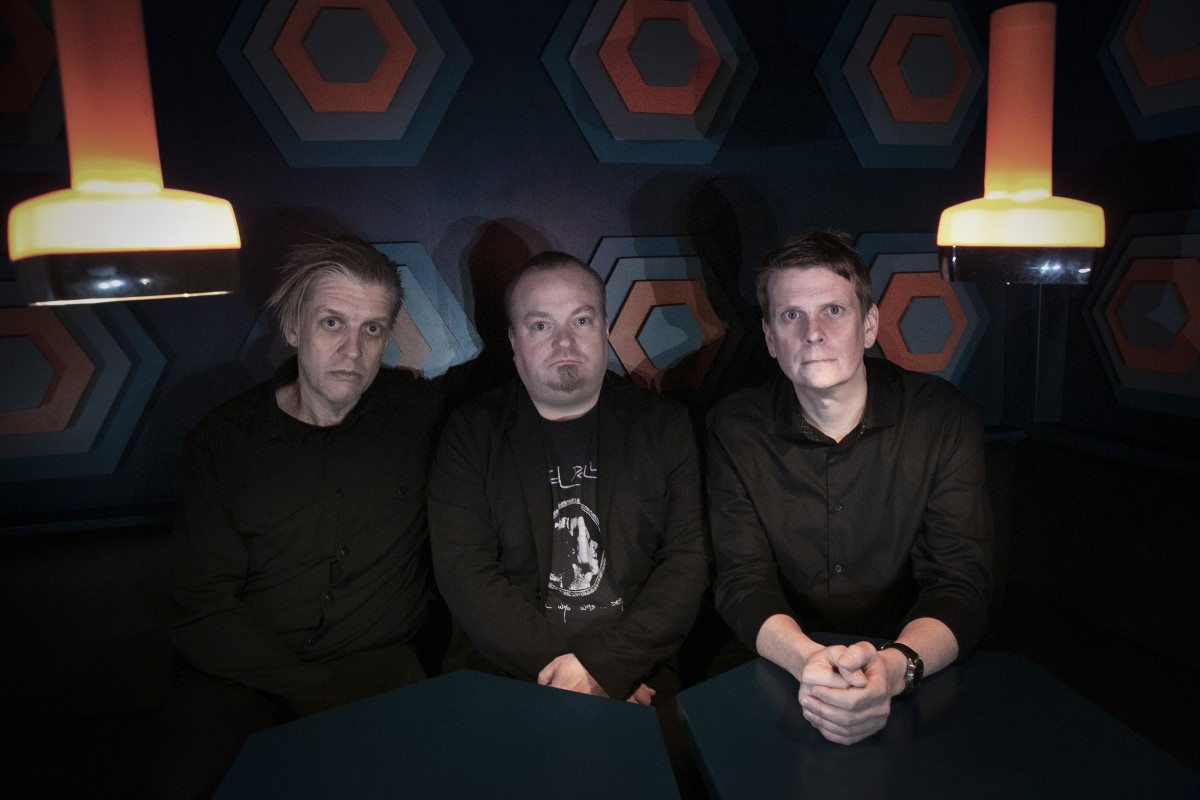 "There's much more detail in our music now than 20 years ago. It's also much easier nowadays because you can do many things at home." - Morten Lybecker
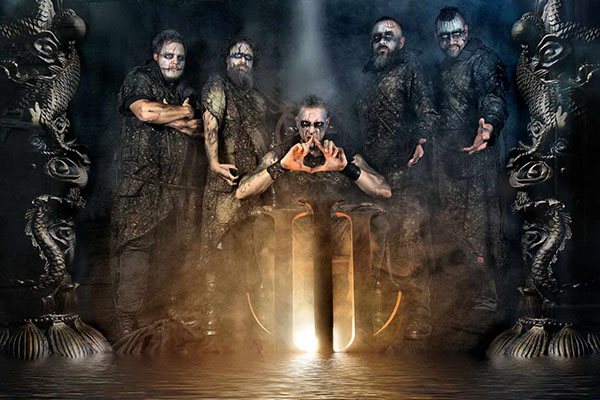 "The whole thing for us with the lore we have created is inspired by Greek Mythology and the stories of Atlantis." - Phil Primmer