Rising Nordic doom collective Maunah introduce their forthcoming debut full‑length Hjarta (lit. Heart) with the evocative video track "Heimaland" (lit. Homeland). The Danes' first record is slated for release on 18 September through Prophecy Productions, and the group have already been confirmed for Prophecy Fest 2026.
Vocalist Søren Sol Koldsen‑Zederkof reflects on the new piece: "To us, 'Heimaland' feels like a signature track for Maunah that captures our urge to let beauty and doom coexist. The song carries the feeling of belonging to a place, but it also reflects the more difficult search for a home within oneself. We have lived with 'Heimaland' for a long time, shaping and fine-tuning the song until it finally became as it is now. We are deeply excited to finally release it into the world and hope that you will like it as much as we do!"
A debut that sounds anything but "debut" — how can a first album sound as complete, mature, and sophisticated as Hjarta? How can an ensemble that appeared seemingly out of nowhere deliver such a modern doom metal triumph? The explanation is simple: although Maunah may be a new name, its members are veterans within Denmark's rock, folk, and metal circles. Frontman Søren Sol Koldsen‑Zederkof has toured extensively with acclaimed Nordic folk outfit Krauka, and has released several critically praised records under the moniker Los. Guitarist Mads MP Laursen brings experience from Ironguard and Encyrcle, while the remaining musicians contribute equally deep roots in the Danish underground. The chemistry proved immediate. Fresh ideas, refined musicianship, and instinctive songwriting aligned — and the result is an alchemical blend where doom, folk, and atmospheric metal merge into something strikingly cohesive.
While Hjarta draws from the melodic Scandinavian doom lineage, the record reaches far beyond its foundations. Elements of Nordic folk, touches of modern metal, and a sense of cinematic breadth permeate the material. Renowned producer Tue Madsen (The Haunted, Moonspell, Heaven Shall Burn) handled the recording of the rhythm section's groove‑driven parts, adding further weight and clarity. With each listen, Hjarta reveals new layers. Maunah pack the album with ideas and fine details, yet never overwhelm the listener. Their compositions breathe, unfold gradually, and build towards moments of widescreen intensity before anchoring themselves with memorable hooks.
The group already hinted at this synergy on their digital EP Heimaland, released on 20 June 2025. Enhanced versions of those tracks now appear on the debut, fully realised.
One of Maunah's most distinctive traits is the absence of a lexical language. The vocals rely on tone, emotion, and rhythmic phrasing — echoing the cadence of human speech without using actual words. This approach creates a direct, intuitive connection between voice and instrumentation, bypassing linguistic boundaries.
In the ensemble's own poetic description: "Maunah is the sound of despair and open skies. Maunah is leaves crunching underfoot, the cold of the forest floor seeping through the soles. And Maunah is the warmth of the sun on the face and oxygen filling the lungs. In the music, the cold of winter meets the summer warmth in the chest, where Maunah pumps blood through the body and music into the air".
With Hjarta, Maunah deliver a debut that rises far above the ordinary — a record shaped by experience, vision, and a rare sense of unity. How far can these Danes go? Time will reveal the answer. Link

MAUNAH - Presents Debut Album Hjarta With "Heimaland" Video Single
- Details
- Written by: Jerneja
Related articles
-
MORGENSTERN - Joins Forces With Jade For Haunting New Single “Fire Now Gone”
 Swiss NDH gothsters Morgenstern have teamed up with singer Jade for their new single “Fire Now Gone”, a melancholic and deeply emotive gothic metal ballad that explores fading memories...
 -
HEARTLAY - Channels Melancholy And Power In Their New Single “Medicate”
 French modern/industrial metal visionaries Heartlay return with “Medicate”, a heavy yet melodic new single that exposes a darker, more atmospheric facet of the band’s sound. Built on...
 -
GODFLESH - Shares “Master And Slave”, The Vicious Opening Track From Upcoming Album Decay
 Industrial metal pioneers Godflesh have unveiled “Master And Slave”, the pulverising opener to their forthcoming album Decay, arriving 25 September via Relapse Records. Across nearly four...
 -
SCHANDMAUL - Puts Out Title Track From Upcoming Opus Sternensegler
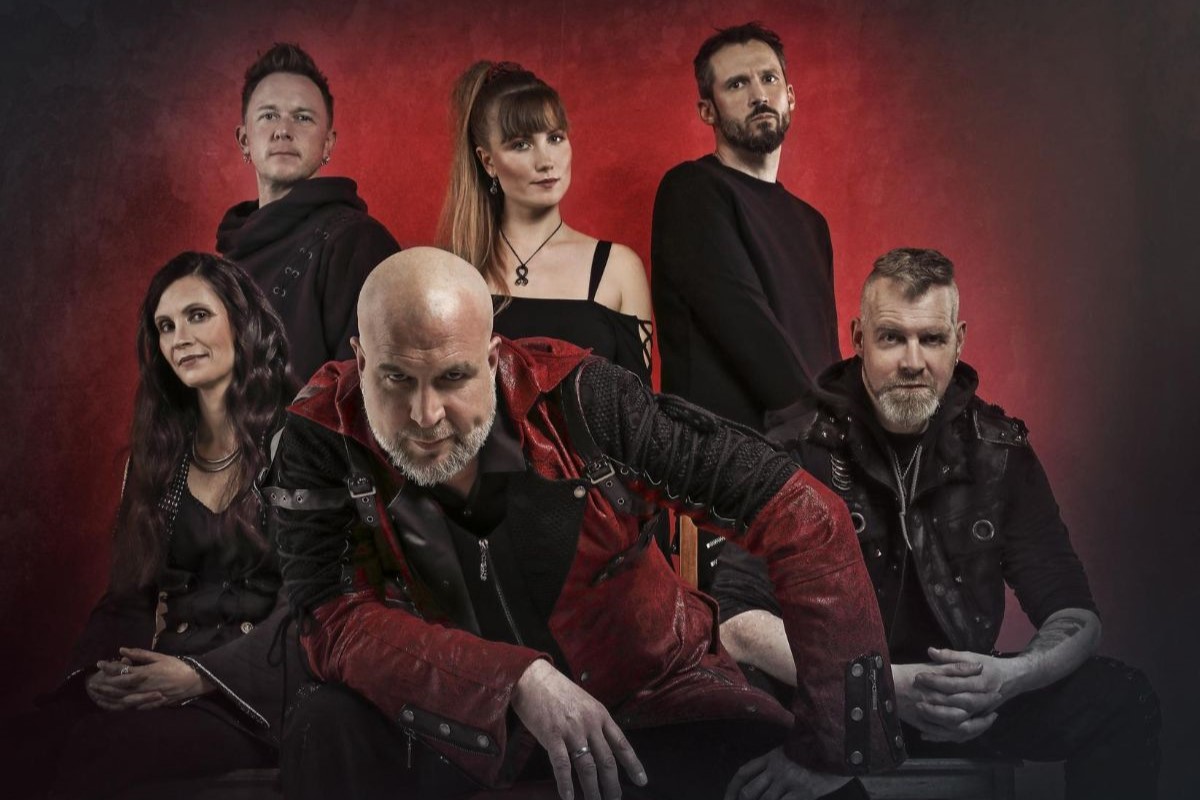 Only days after announcing their forthcoming full‑length Sternensegler—slated to arrive on 11 September through Napalm Records—German folk rock institution Schandmaul reveal the record's...
-
HIGH PARASITE
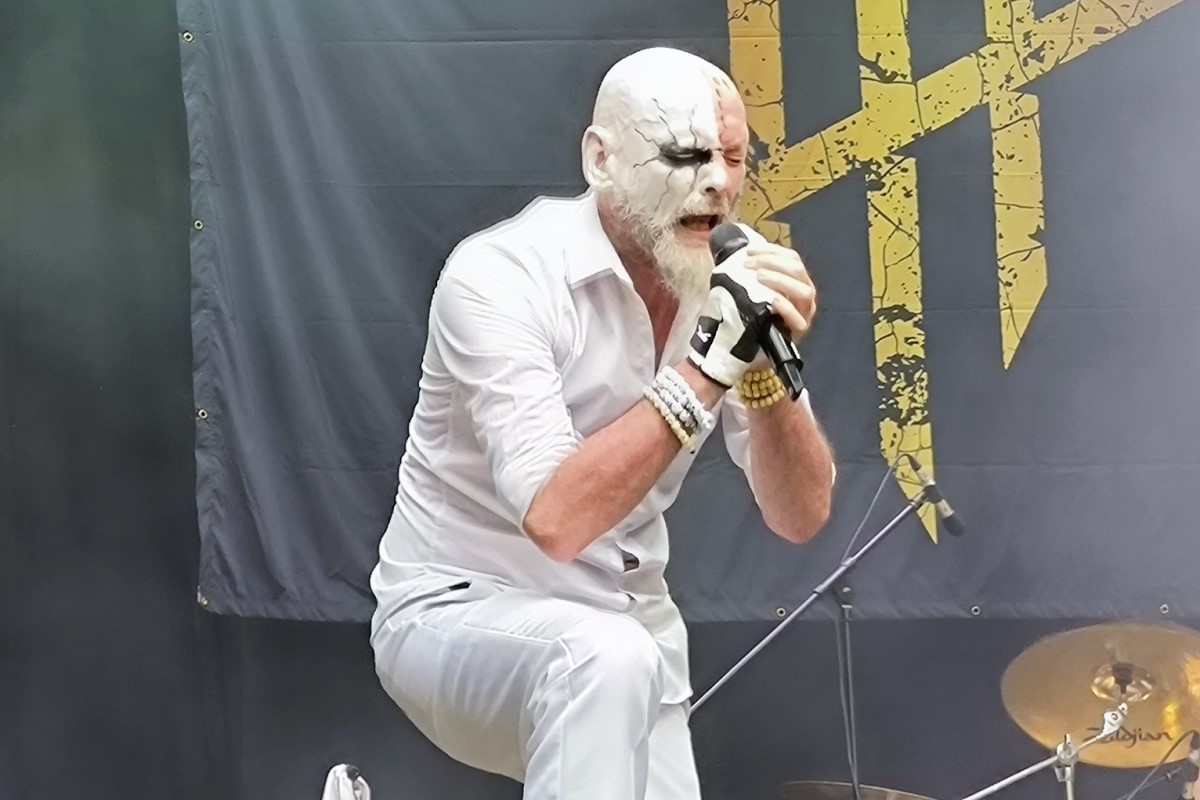 "It's about humans; we are the high parasites. We feast on the earth and on all the things that the earth gives us. We don't just take a little bit, we take everything." - Aaron Stainthorpe
 -
PAIN
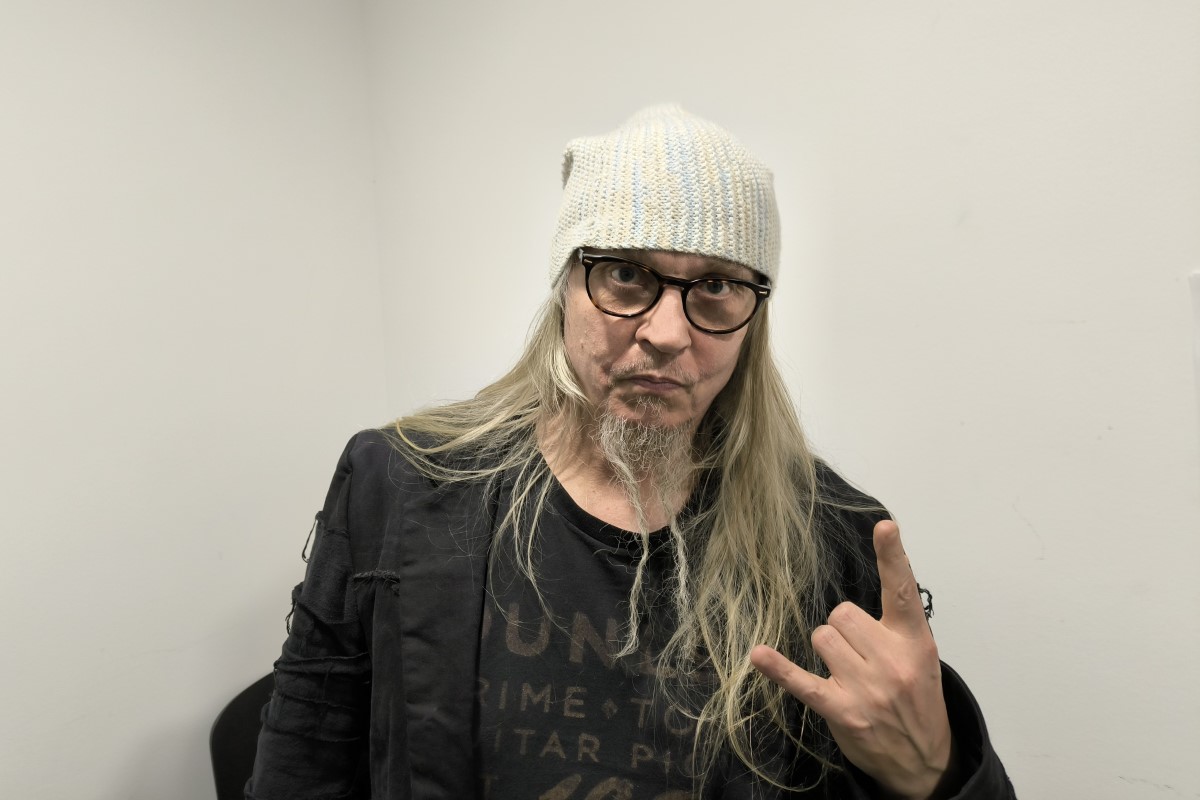 "With Hypocrisy, I'm very "home", but with Pain, it's an adventure, just like going into the jungle only with a knife and no glass of water and trying to survive." - Peter Tägtgren
 -
ANJA HUWE
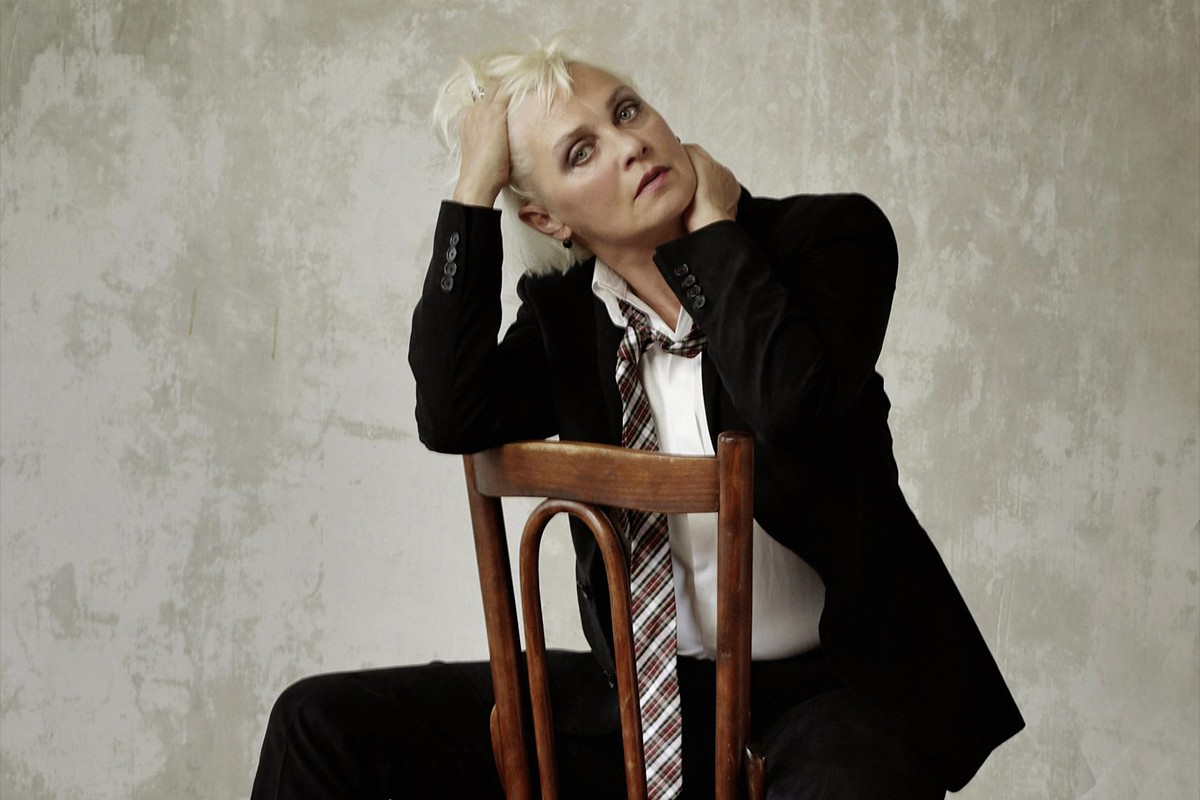 "I find it really bizarre, because right after the concert, you're already on the internet. I mean, come on. It's very different from how it used to be, but it's fine." - Anja Huwe
 -
IAMX
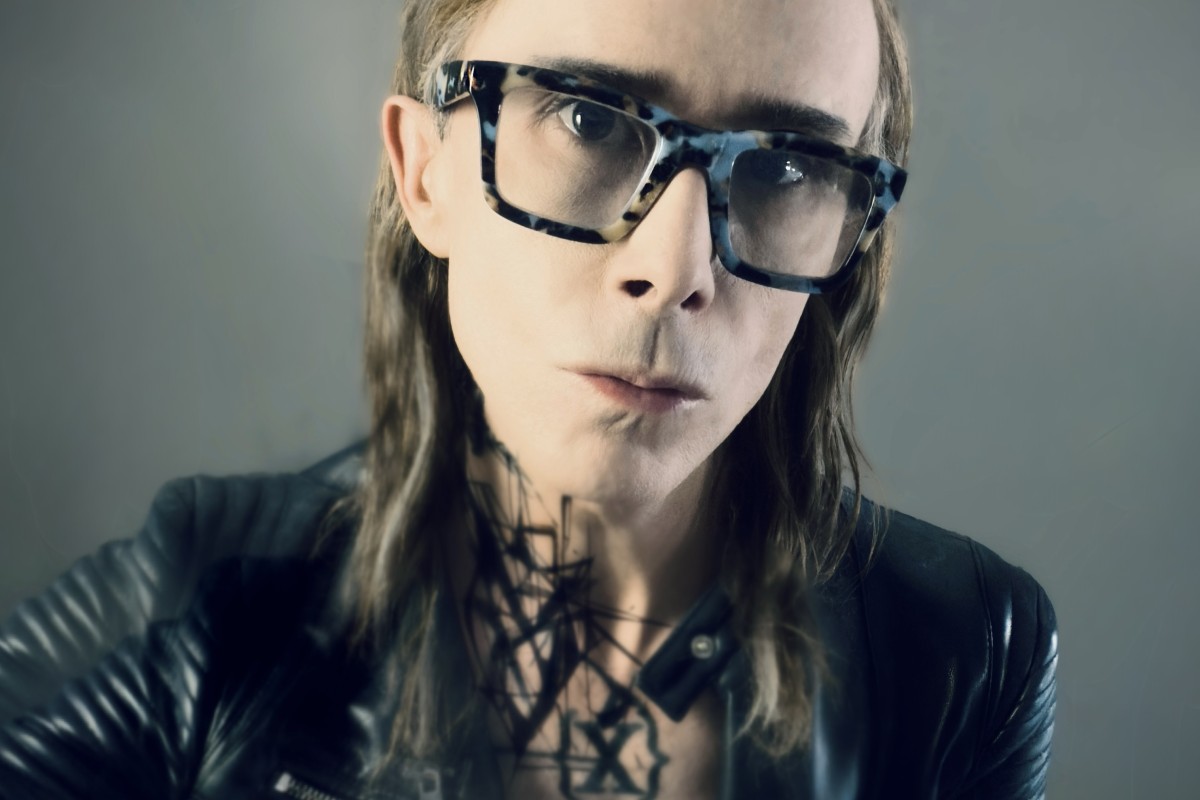 "It's my kind of duty to provoke people and to make sure they feel something — to dance, cry, do whatever they feel. I do motivate them, because that's my purpose." - Chris Corner

Social Links

Copyright © All Rights Reserved. Powered by Terra Relicta