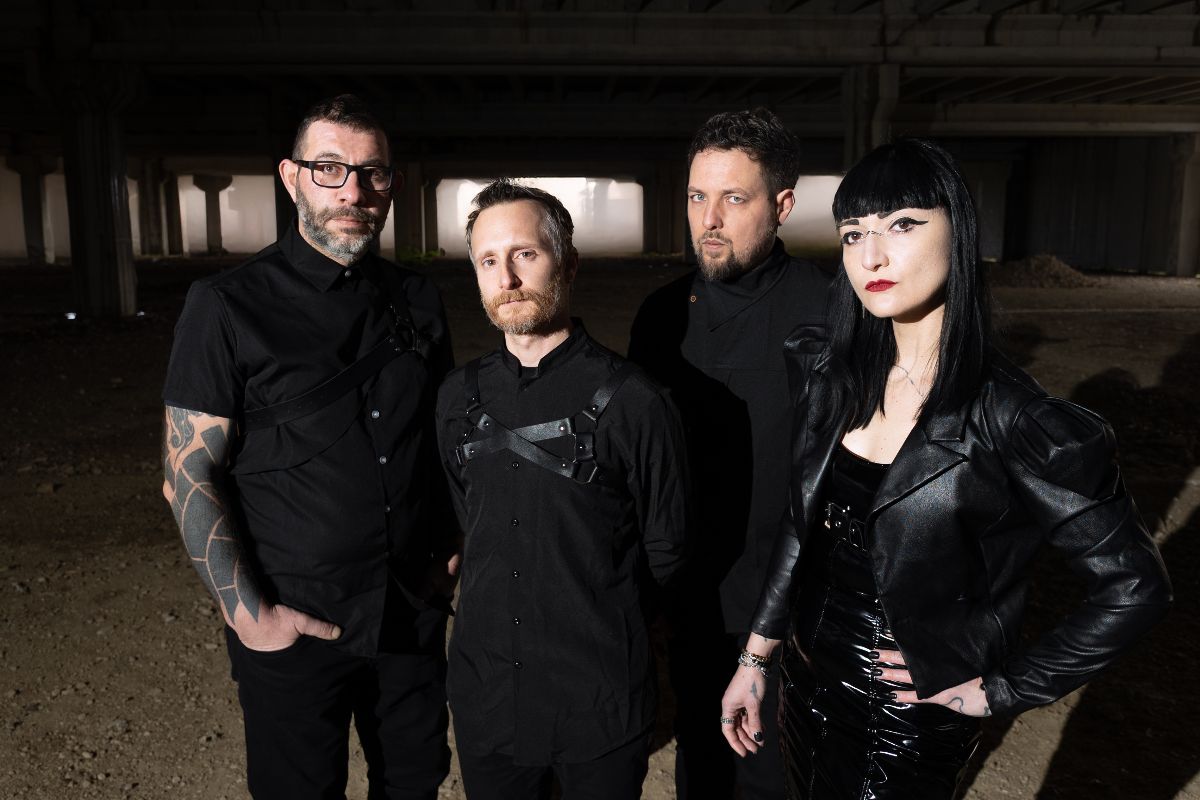
Electro‑rock/post‑punk four‑piece Design have released another video single, "Blame", taken from their upcoming album Faithless, due later this year via Overdub Recordings.
Following the visionary, outward‑facing impact of the previously revealed "Red Dragon" (available HERE), the Italian band now take a complementary yet contrasting turn: shifting from an exploration of contemporary moral collapse to an inward journey centred on individual accountability.
"Blame" approaches guilt not as condemnation, but as awareness. Its lyrics trace a symbolic landscape of tides, anchors and storms, where the shipwreck is caused not by external forces but by the refusal to recognise one's own limitations. The image of the "dry well of pride" crystallises this tension, while the refrain — "There is no one to blame but me" — lands as a stark, deliberate admission. The closing moment, suggested by the stillness of a motionless sea, offers not redemption but suspension: a fragile truce reached after confronting inner conflict.
"'Blame' captures the moment when you stop searching elsewhere for the reasons behind your own downfall. Owning your mistakes, rather than denying them, becomes a necessary step in moving through pain and finding inner calm", the band explain.
Musically, the track mirrors this emotional trajectory. A dark, hypnotic bassline underpins tight, propulsive electronics, while expansive, reverb‑soaked guitars add depth and heighten the sense of suspension. The verses remain restrained, allowing tension to build before breaking into a more direct and incisive central passage. In its final moments, the song opens into an emotional release that transforms the weight of guilt into clarity, marking "Blame" as one of the most immediate and accessible tracks on Faithless.
The video, directed by Giorgio Mascio — who also directed "Red Dragon" — develops the concept through four non‑linear micro‑narratives performed by the band members, all connected by water as a symbol of both necessity and limitation. Everyday gestures associated with care and control are pushed to excess, turning what should protect into something invasive. In one sequence, twelve grains of rice carefully arranged on a shell‑shaped plate suggest a fragile attempt at discipline, destined to unravel. Close‑ups, filmed with a camera concealed behind a mirror, turn the refrain into a confrontation with the self. A cold, aquatic colour palette underpins a narrative that seeks not absolution, but recognition of responsibility. Link

DESIGN - Drops Another Video Single From Upcoming Album
- Details
- Written by: Jerneja
-
I YA TOYAH - Channels Vulnerability Into Art On New Single "White Walls"
 Chicago-based industrial electronic artist I Ya Toyah has unveiled her deeply personal new single, "White Walls", a powerful exploration of mental health, emotional isolation and the...
 -
PRETTY ADDICTED - Gets "Hysterical" With Sarah Jezebel Deva
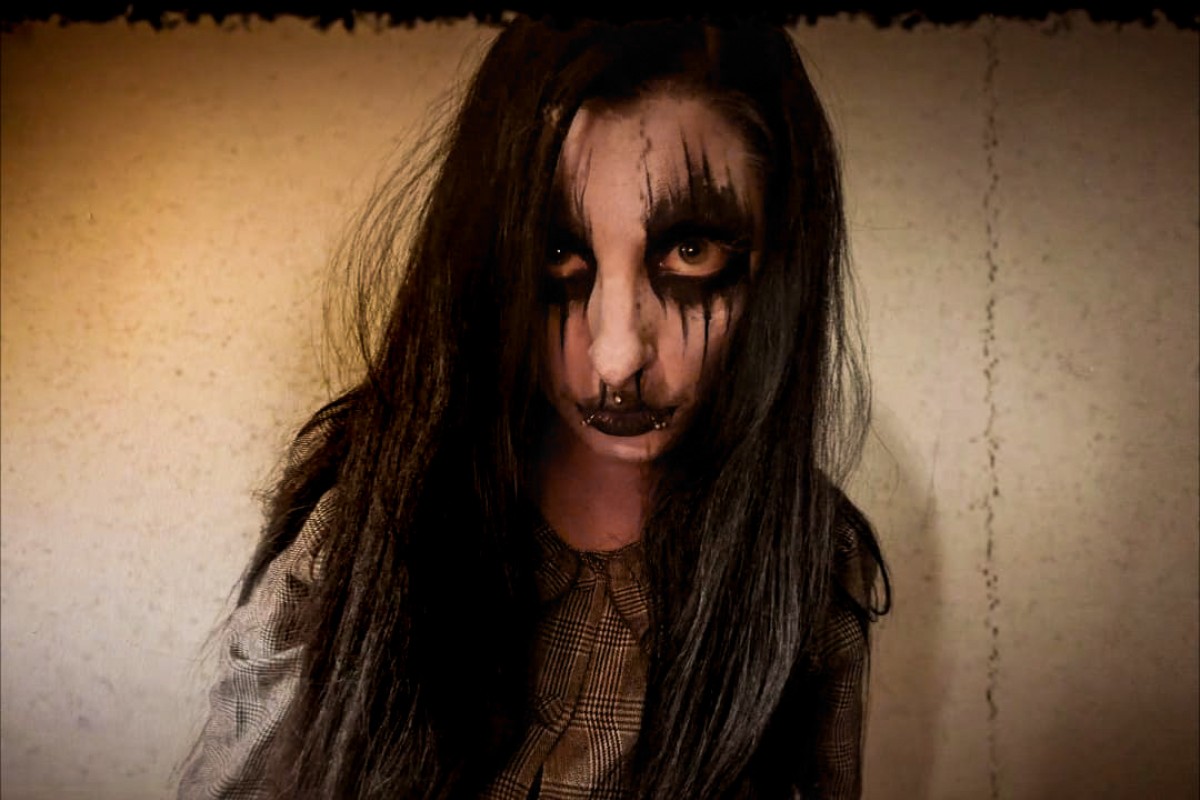 Following the release of the fierce singles "Rot" and "Mock", British Pretty Addicted continue their bold new chapter with "Hysterical", a powerful new cut featuring acclaimed vocalist...
 -
A SHORELINE DREAM - Marks 20 Years With New Single “20”, Announces Album Waiting
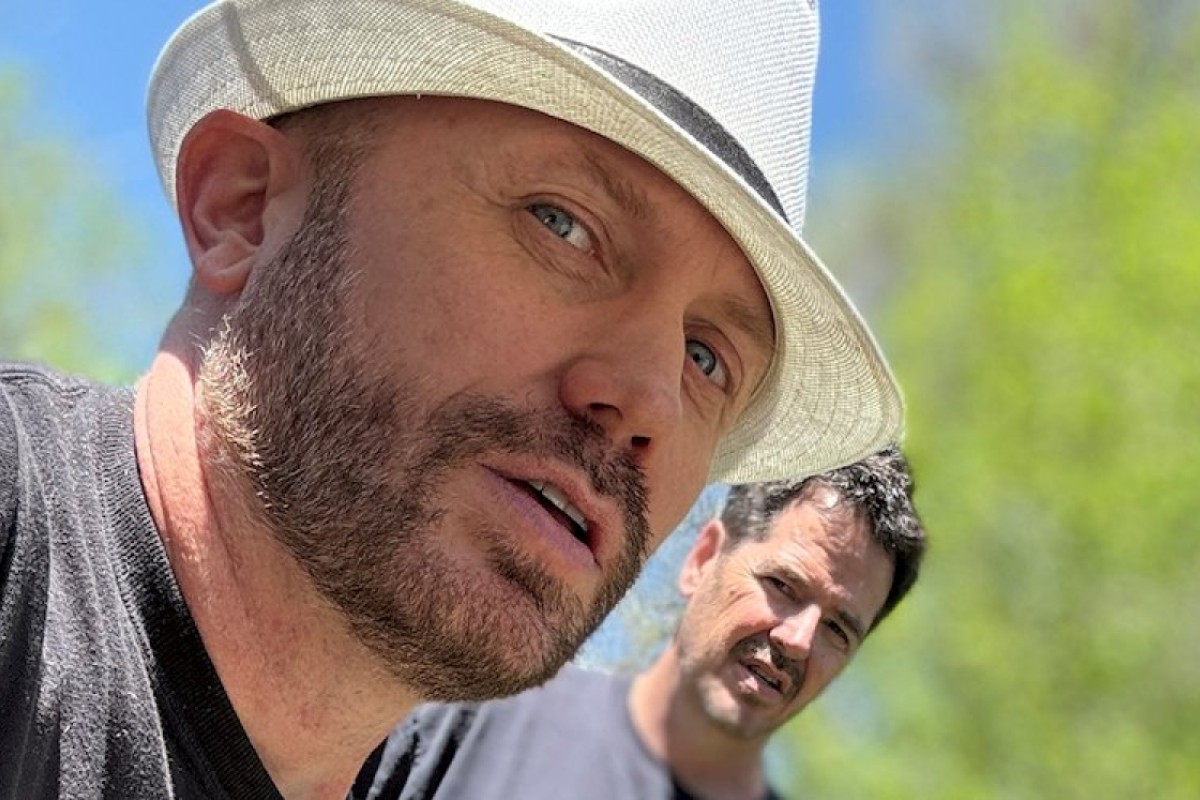 Colorado (USA)-based post‑punk/shoegaze duo A Shoreline Dream enters its twentieth year with “20”, a dark, introspective single that reflects on distance travelled and the uncertain...
 -
ELEINE – Releases New Single “Watch As We Rise” And Reveal Album Artwork For The Water Taste Of Blood
 Swedish metal powerhouse Eleine unleash their ferocious new single and music video, “Watch As We Rise”, alongside the official artwork for their forthcoming fifth studio album, The Water...
-
ANJA HUWE
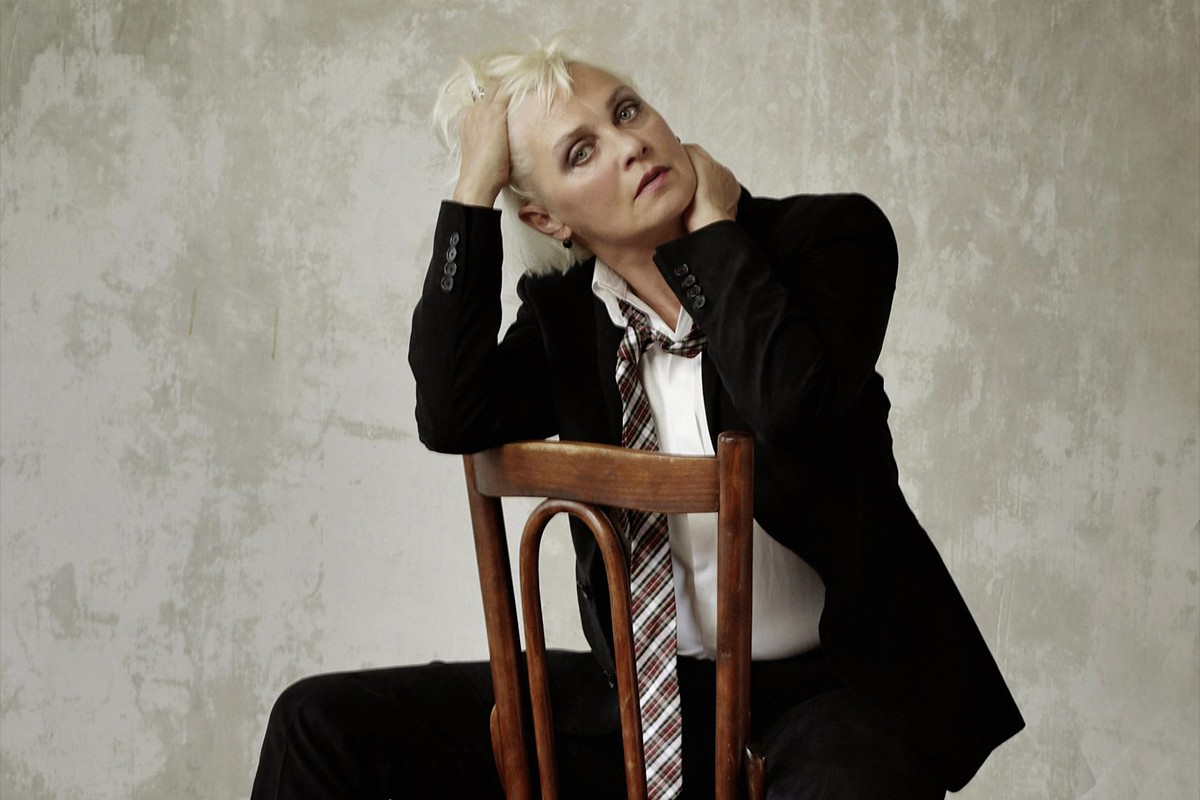 "I find it really bizarre, because right after the concert, you're already on the internet. I mean, come on. It's very different from how it used to be, but it's fine." - Anja Huwe
 -
BOSCO SACRO
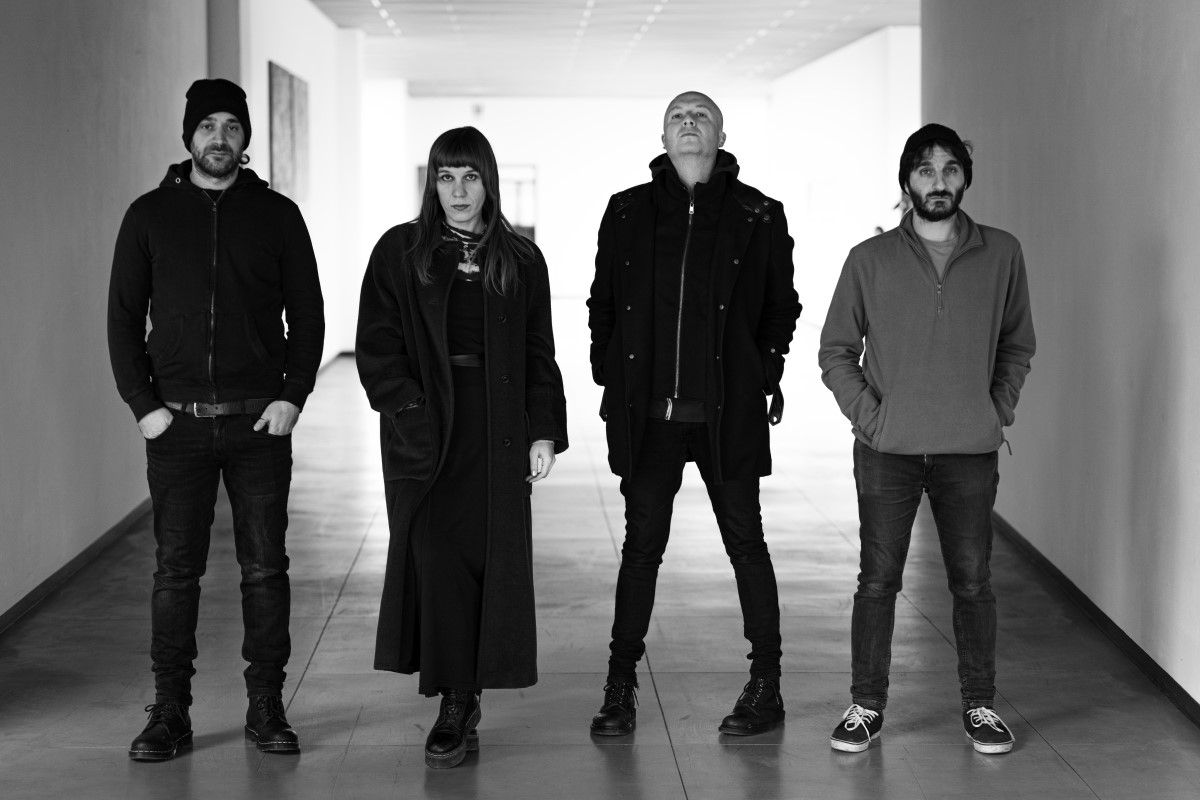 "I can say that when I play with Bosco Sacro, I'm in total trans. When I play on a stage, I go into another world." - Luca Scotti
 -
SOLAR FAKE
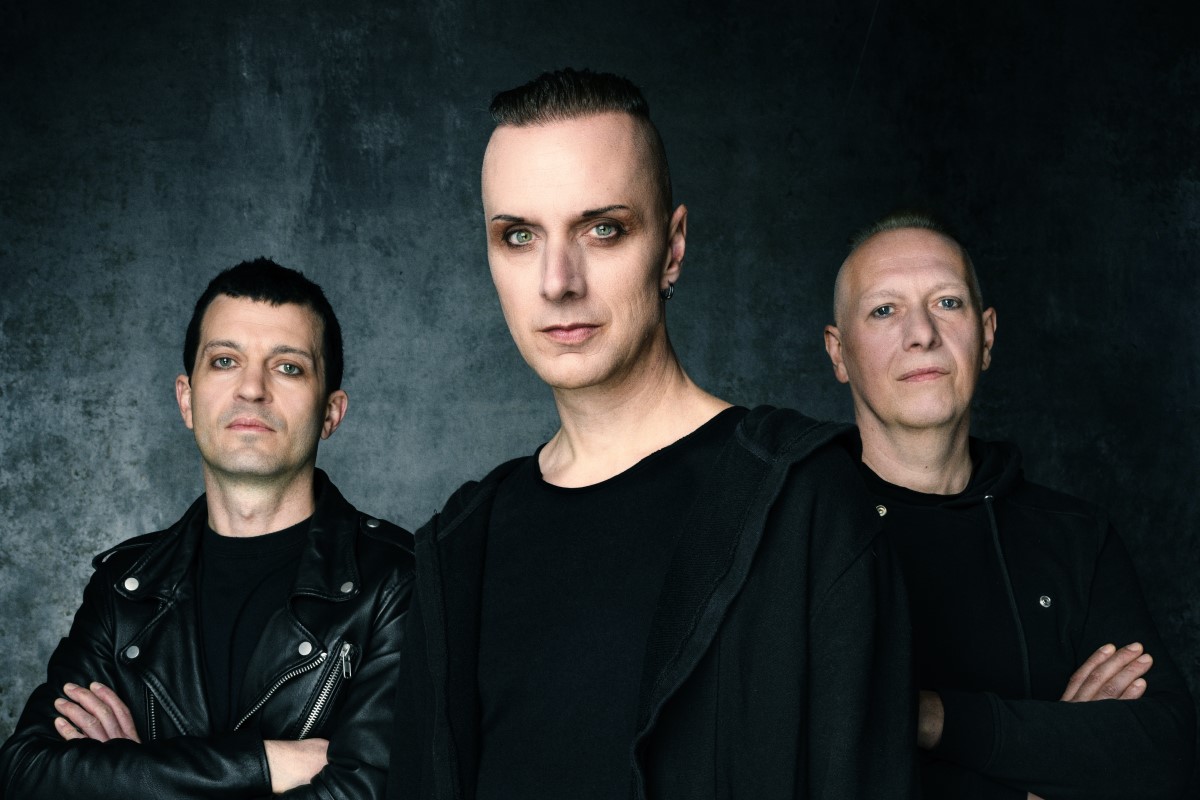 "I don't tend to judge people, but I do judge them if they're too lazy to engage in independent thought or if they're simply careless and don't consider the consequences..." - Sven Friedrich
 -
KATATONIA
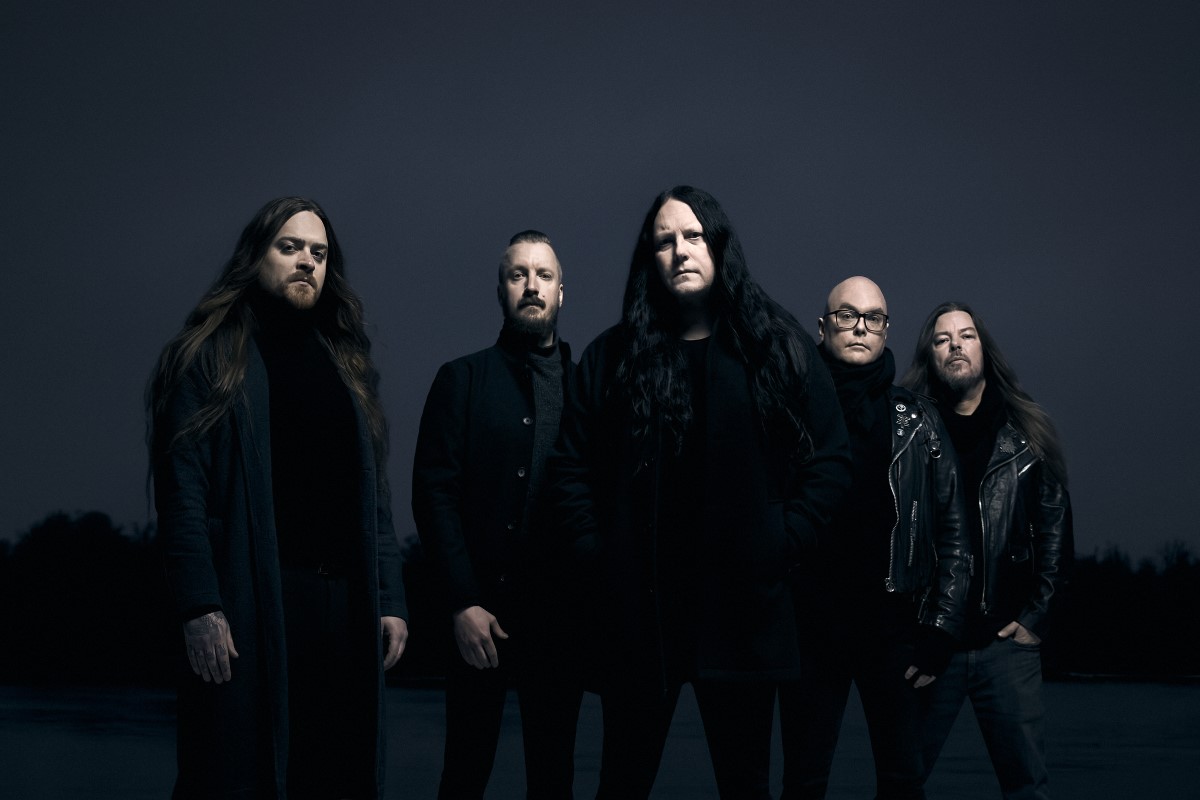 "It's a dark album. According to me, it's the darkest yet in our discography. It's also very suggestive, very introverted, less direct, and might be less friendly..." - Daniel Moilanen

Social Links

Copyright © All Rights Reserved. Powered by Terra Relicta