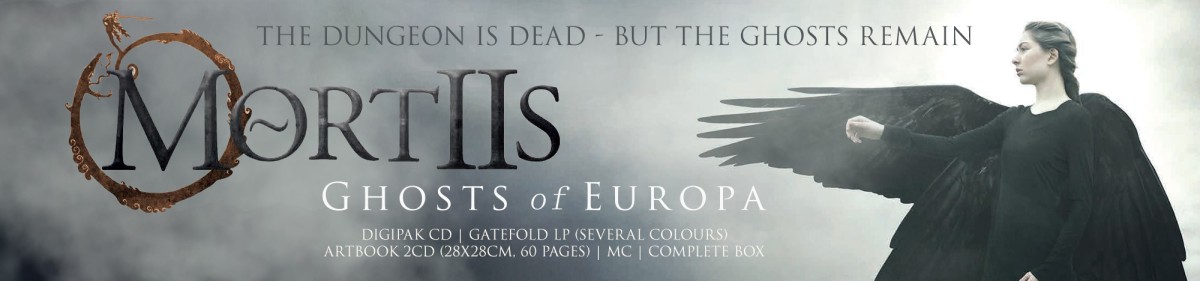
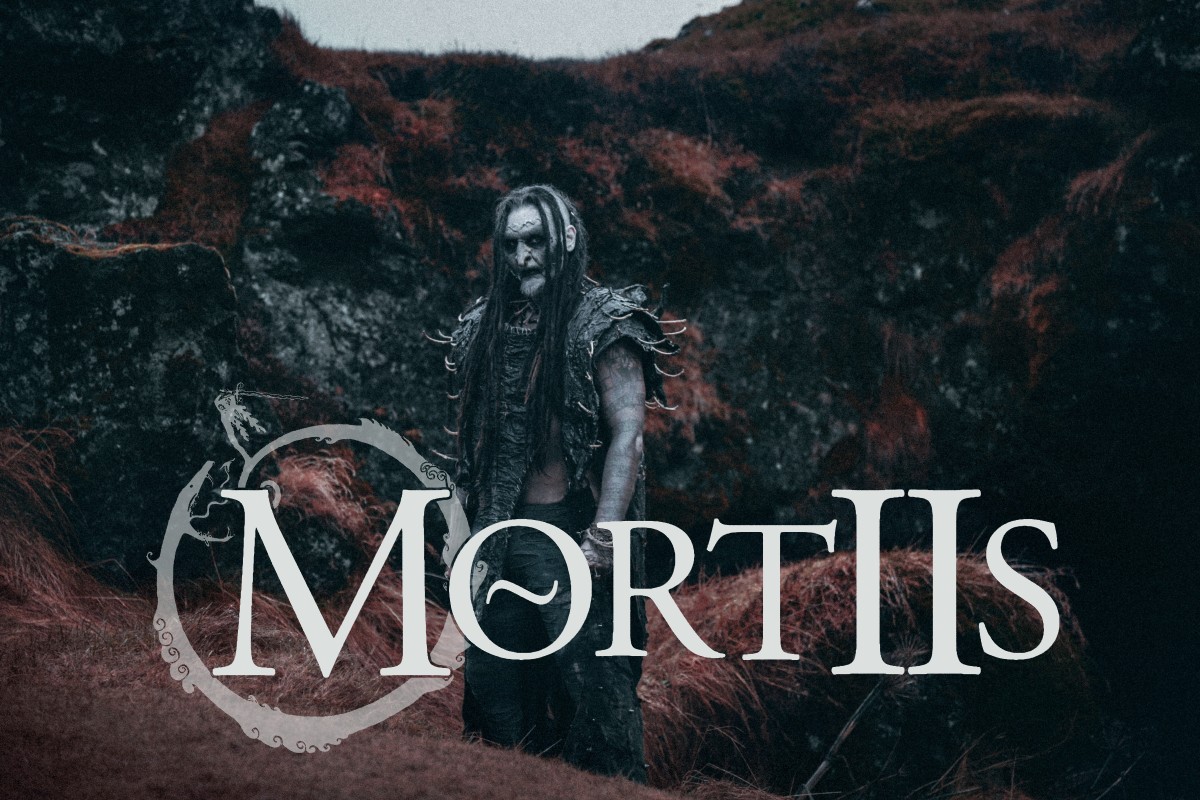
In the early 1990s, after departing one of black metal's most influential bands, Emperor, Håvard Ellefsen — better known as Mortiis — went on to create an entirely new genre: dungeon synth. More than three decades later, he returns with Ghosts Of Europa, a striking new album that steps away from the dungeon he began revisiting in 2020 and instead reconnects with the atmospheric, genre‑blurring sound he explored in the early 2000s on records such as The Smell Of Rain. Throughout his long and varied career, Mortiis has ventured across numerous musical territories, always driven by innovation and an uncompromising creative spirit. Ghosts Of Europa stands as a testament to that restlessness — a triumph of vision, craft and atmosphere, and arguably the album he needed to create at this stage of his artistic journey. The dungeon may be dead, as he suggested, but the ghosts remain. The darkness that has always defined Mortiis is still present, though now channelled through a different, richly textured form. This new chapter also marks Mortiis' return to a full‑fledged label after years of releasing music independently, with Ghosts Of Europa arriving under the banner of Prophecy Productions. Few artists have contributed as much to the evolution of dark music as Mortiis. His work has consistently pushed boundaries, demanding attentive listening and rewarding those willing to immerse themselves fully. Naturally, we had questions — about the album, the creative process, the shift in direction, and the ghosts that linger behind the music. Our conversation with Håvard led us down many unexpected paths, revealing insights as fascinating as the record itself.
Interview with: Håvard Ellefsen
Conducted by: Tomaz and Jerneja
Edited by: Jerneja
Jerneja: Hello Håvard, this interview was actually meant to happen back in May — with our contributor Tiffany, on the day of your Seattle show. Unfortunately, she had to undergo surgery, so it didn't come to pass. I hope you weren't too disappointed.
Håvard: Håvard: No, I was told about that, so it was fine. No problem at all. I hope everything's okay.
Jerneja: Yeah, it is — fortunately. And how was the North American tour?
Håvard: It was cool. Pretty intense, really — I think we played 33 shows in just over five weeks. We had maybe three, four days off, and the rest was basically a show every day. Lots of driving and all that. But that's okay; you get a lot done in a short amount of time, which I kind of like. It's effective. People seemed really into it — we had good turnouts, great responses, people bought merchandise and all of that. So yeah, I'm happy.
Jerneja: And in exactly ten days from now (this interview was conducted on 16 June), your new album Ghosts Of Europa will be released. The three singles you've put out ahead of the album are absolutely fantastic. Each one made it into Terra Relicta Radio's Top 10 of the Week.
Håvard: Oh really? Wow. Thank you! I wasn’t aware of that — that's great. Thank you.
Tomaz: So how satisfied are you with the way people have reacted to these three singles?
Håvard: So far, the response I've seen — from people I've talked to and comments on social media — has been really good. I've noticed a couple of people who didn't like the vocoder‑type effect; you know, they were like, "Oh my God, it sounds like Cher", or something from the '90s. I thought that was funny. But beyond that, it's been 99.9% really fucking good. So yeah, I'm very satisfied.
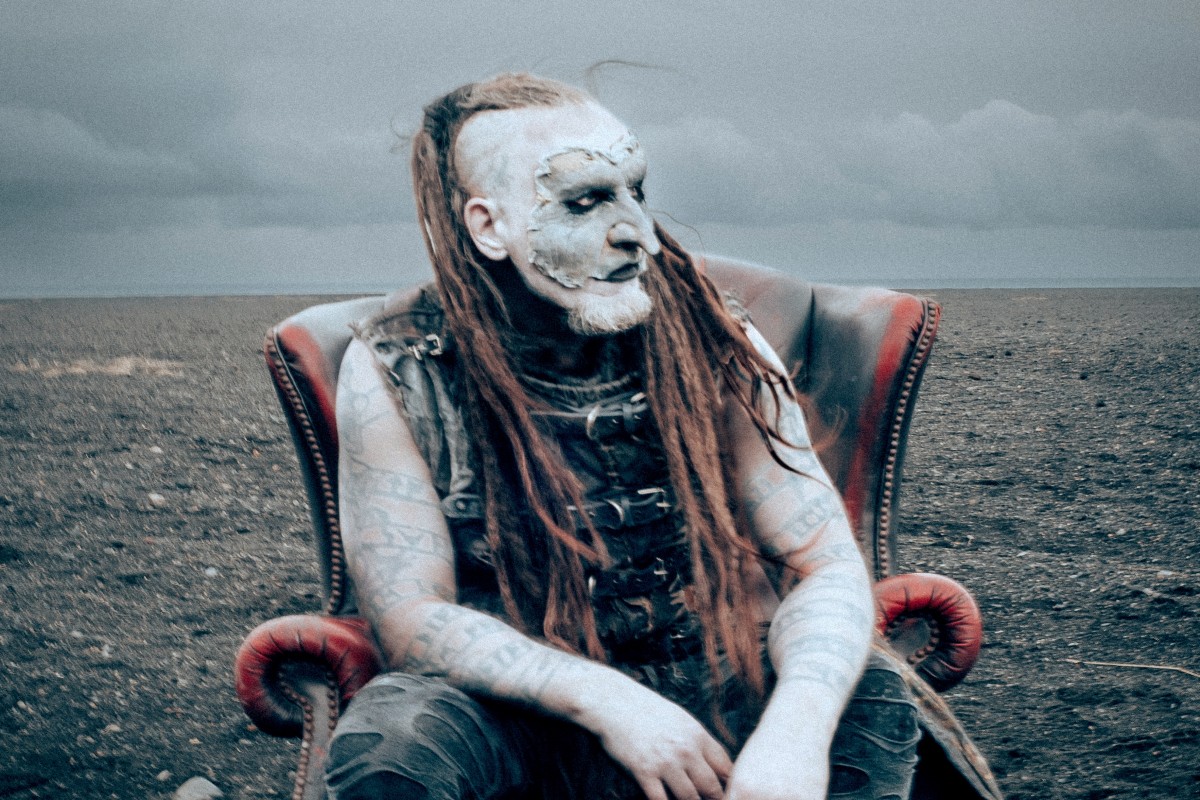
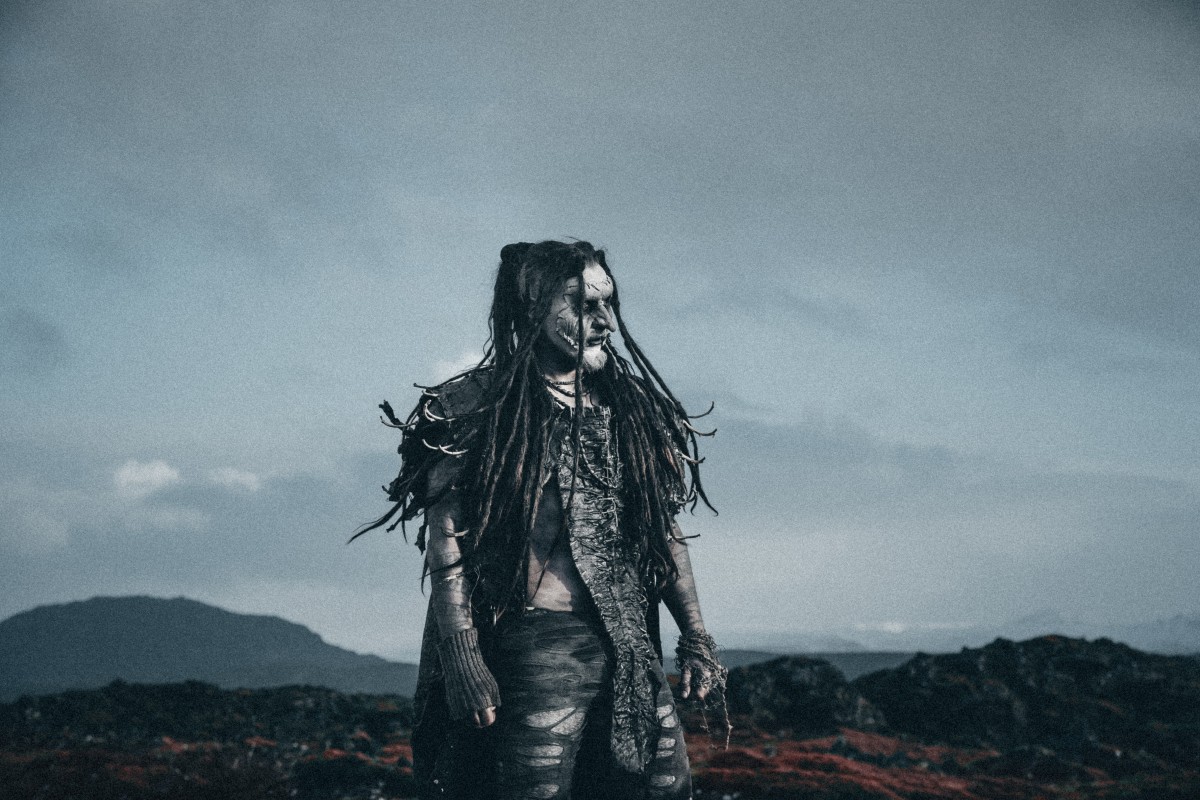
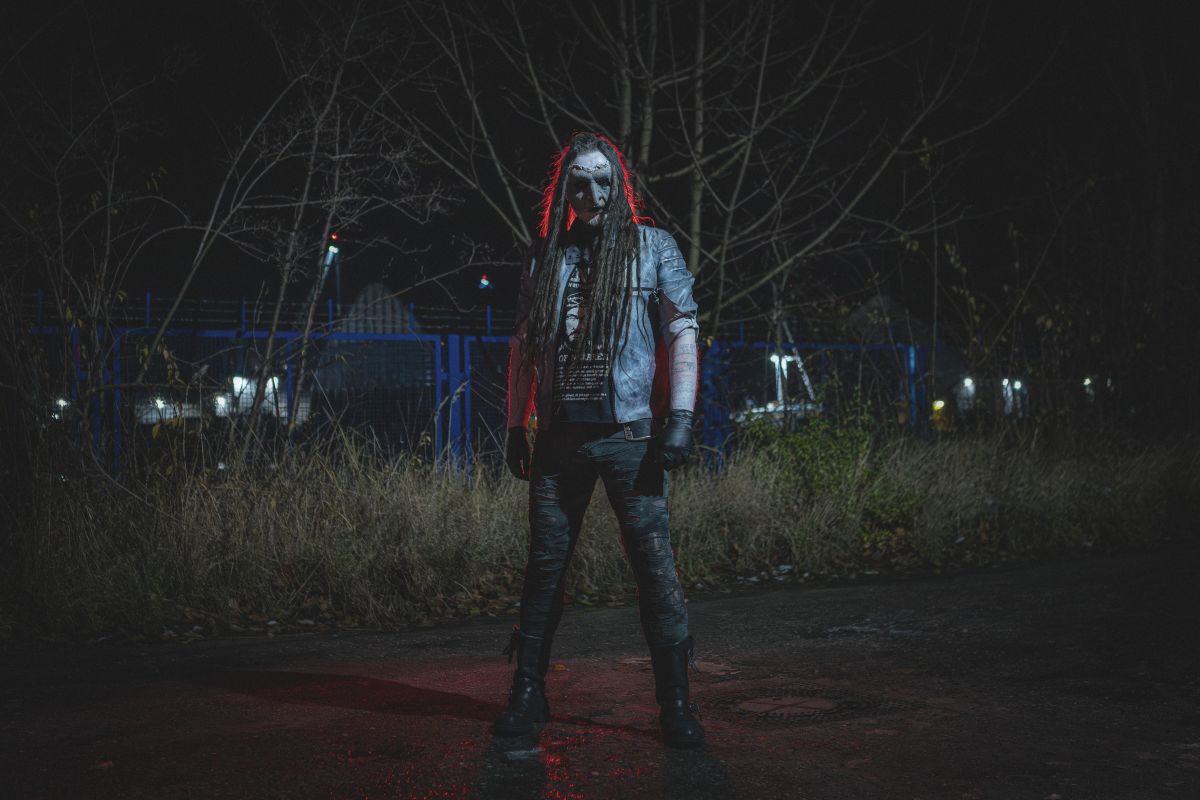
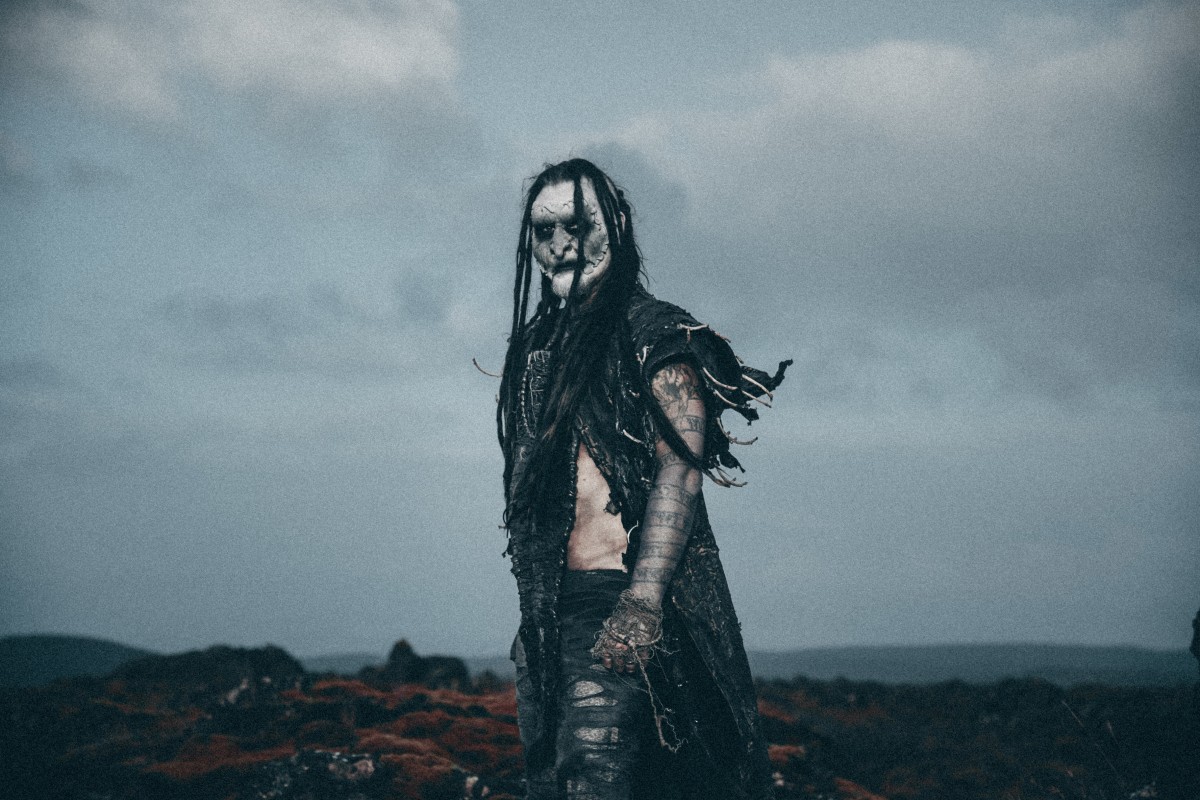
Jerneja: Your wanderings across genres have practically become your trademark by now — not just from album to album, but even within a single record you seem to enjoy drifting off in different directions. And yet it's rather curious that, visually, you've stayed almost entirely the same: those masks with the witch‑like noses have remained constant, regardless of the vibe of the release.
Håvard: I've been told ever since, probably the mid‑'90s, that the visual side of Mortiis sometimes contradicts the music — and maybe that's true. I'm not sure I feel that way all the time, but I can understand why some people might. To me, though, I don't really think about it. Especially with this new record — all the visual stuff we did feels like it fits the music quite well, at least in my opinion. But everyone has their own view, I guess, and their own taste.
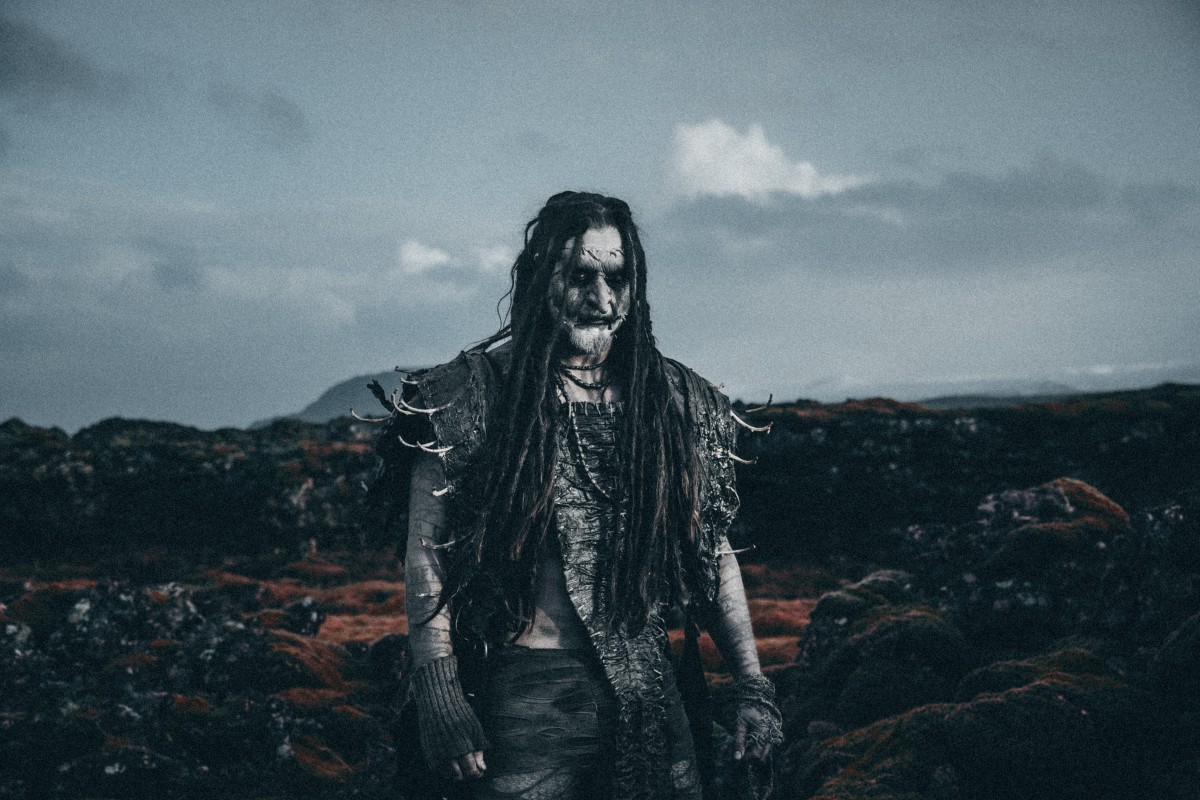
Jerneja: They're definitely unique — it's just that, for me, they don't quite align with the music you're creating these days.
Håvard: I think that's probably a logical reaction. The visual side of Mortiis — the mask and the outfits — tends to gravitate towards a darker kind of image, even though I don't really plan it that way. That's just my taste. And it certainly looks similar to the style you'd expect from metal bands. So I think it's natural that someone who doesn't know Mortiis and just sees the pictures, would assume it's going to be brutal death metal or black metal or something like that. And then you listen to the music, and it's totally different. But, you know — contrasts.
Tomaz: That's your origin, after all…
Håvard: Yeah, absolutely. I mean, I come out of the '80s as a big KISS and W.A.S.P. fan — all those big image bands. I loved looking at the photos when I was a kid. I'd go through all the pictures on the records before deciding whether to buy the album. If they looked cool — more spikes, more makeup, more fucking leather — then I'd definitely buy it, haha. So that's my roots. That's in my DNA, I guess — having that kind of visual aspect.
Tomaz: Now, back to your album Ghosts Of Europa. Jerneja and I both like it very much. It's such a multilayered and diverse record — you rarely hear anything quite like it these days. I imagine the composition and recording process wasn't exactly easy, and that it must have taken quite some time. Or am I wrong?
Håvard: Yes and no, you know. It's not that it was technically very hard most of the time — it was more during the writing and arranging process. I usually write, arrange, and design sounds almost at the same time as I'm recording them. And as I go along, I'll often go back, delete things, throw stuff out, do it over again, change things, re‑record. So it's not necessarily technically difficult, but it does take a lot of time when you write music the way I do — which basically means you re‑record, rearrange and rewrite the music several times over, because I'm never quite happy, haha. I always find a reason to improve something or change something because I get a new idea, and then the old stuff doesn't quite work anymore. So, you know — it's a lot of going back and forth. It's more time‑consuming than technically difficult.
Jerneja: I have a question about your latest single, "Tundra, Heart Of Hell". You've said that the word "tundra" has followed you for years. What made this the moment when that idea finally crystallised into something you were ready to release?
Håvard: I'm not sure. I've used that word for so many songs or pieces of music over the years — things I never released, never finished, or threw out because I wasn't happy with them. I just always liked that word. So I was kind of happy to finally get the chance to attach it to something that was actually going to be on an album — something that was finally going to come out. I think it was a couple of years ago, when I was working on an earlier version of "Heart Of Hell". For a while, that song was just called "Heart Of Hell" and nothing else. And then I thought, you know, the lyrics remind me of a tundra — I'm walking across this landscape in the lyrics. So it felt like the perfect moment to finally use this word that I really liked. That's the story, really.
Jerneja: And, you do have quite a generous amount of tundra up there in Norway…
Håvard: I guess we do. I never really thought about it, you know. Most of my ideas just come from my head. I’m not much of a… I don’t spend a lot of time in Norwegian nature. I mean, I know we have a lot of beautiful nature here, but frankly I'm not the kind of guy who'll go out and sleep in a tent for five days just to experience a mountain or something. I enjoy being in the studio — that's more my thing. So a lot of my ideas just pop up in my head, and they're not necessarily based on real‑life experiences in nature, for example. Not really.
Tomaz: Now I've got a question about "Tribes Of Dystopia". When I first heard it — already while listening to the album promo — I was almost convinced you'd collaborated with Nytt Land, especially since you'll be touring together. But then I read that those throat vocals were actually performed by Matthew Setzer from Skinny Puppy and London After Midnight. How did this team come together?
Håvard: Well, I've known Matthew for a few years, and every time I tour in the US he always shows up to at least one show. We talk, and he's a super nice guy. At some point he told me he was doing throat singing, so I said we should try something out — I think that's an interesting sound. I was working on "Tribes Of Dystopia", and I knew there was a part in that song where I wanted to add something different. So I thought, you know — shit, Matthew should try putting something over this section. I told him to just improvise a lot of stuff and send me as many tracks as he could, and that's exactly what he did. I took all the tracks, edited a lot, resampled things, and created more of a structured performance in that part of the song. I put a lot of it in stereo — double‑tracked it, triple‑tracked it. It's almost like using a sampler, in a way. It turned out really good. Yeah, I know the Nytt Land guys, but it wasn't them — it was Matthew.
Tomaz: For this album you worked with a remarkable number of guest musicians, and many of the names truly stand out — but one that particularly does is Sarah Jezebel Deva, with whom you’ve collaborated before, for instance on the Stargate album. What was it like to reconnect with her again?
Håvard: It was great. I'm not going to say too much about her private life, of course, but I know she'd taken quite a long break from music for a while. She had a child and was just being a parent for some time, and she was slowly coming back into music, I think. I can't remember exactly when we reconnected, but we started talking — like, "Hey, I think I might have some music here that could fit your voice again…" Because I'd been making industrial rock for a while, and that didn't really suit her voice. Then I did the dungeon music, and that didn't necessarily fit either. But now I was like, "Hey, I'm working on this stuff, and I think it would be cool to try something again". So I started sending her early versions of a few songs with some of my ideas, and she began sending recordings back. We went back and forth a few times, re‑recorded some things — just a natural, organic way of working. The difference now is big, of course, because when you live in different countries it's hard, expensive and very time‑consuming to travel and be in the same studio. So most of it happened over the internet — sometimes a bit on the phone or Messenger or whatever chat function. We just sent files back and forth until we were satisfied.
Tomaz: In the early phase of the album you also worked with Stephan Groth from Apoptygma Berzerk, who's been a close friend of yours for many years. But I wasn't entirely sure about one thing — was he involved as a co‑producer only during the initial stages, or throughout the entire process?
Håvard: He wasn't really producing much. The way it started was that he called me up during COVID and suggested we do some kind of collaboration, because, you know, we couldn't travel or do anything — we were all just stuck at home. That's how it began. The idea was to create music inspired by Tangerine Dream and old electronic stuff like that. I pulled out some really old material I had and thought it would be a good starting point. Unfortunately, Stephan got really busy with his own things, so we agreed that I'd continue on my own, which was fine. We're still friends — no hard feelings, of course. But I did record a few early vocals in his studio, so he kind of co‑produced some of the early vocal recordings on the album. For example, there's material on "Transcending Morpheus" and "Farewell Romero" where he was engineering and co‑producing the vocals, offering ideas and suggestions. So he has a small part on the album in that sense, but he didn't produce the music or anything like that. He helped with some early vocals — and he's really good at that, you know.
Jerneja: And Ghosts Of Europa carries a sense of vastness and isolation. Were you escaping something — or mapping a landscape you've inhabited for a long time?
Håvard: I definitely tried to explore… maybe this sounds pretentious, but I sort of explored the mind and just saw where things could end up — not setting any limits on myself or the music, just letting it go wherever it goes and being experimental. I certainly visualised a lot of those open, expansive landscapes you mention, especially when I was working on songs like "Transcending Morpheus", "Return To The Old Fields", and even "Tribes Of Dystopia". It always felt like this strange, alien landscape was unfolding. A lot of the time when I work on music, I get these little visual images in my mind at the same time. So I try to keep an open mind like that, you know, and just see what happens.
Jerneja: Some of the lyrics reportedly reach back to the period between Stargate and The Smell Of Rain. What made you return to that emotional terrain now?
Håvard: I think some of the music goes back — some of it definitely goes all the way back to the late '90s. I found an old cassette with some music on it that I thought was really cool, and I used that as a starting point. Those early versions… there's not much of them left in the final result, but that's where it began. At least one of those songs had lyrics that I used — at least parts of them. Lyrically, I guess it's probably closer to The Smell Of Rain than anything else. I don't think I intentionally returned to that point in time, but maybe I did without really thinking about it. Some of the lyrics are definitely very introspective, honest and kind of emotional. And I did a lot of that on The Smell Of Rain. So I can totally see why people feel they're similar. I can understand that.
Jerneja: And the album title suggests a continent haunted by its own past — a place that is now Europa. So what does Europa represent to you, culturally, emotionally, or symbolically?
Håvard: I want to make it clear that the title was never meant as a social or political commentary. As an artist, a lot of the time I just get cool‑sounding lines or bits of lyrics popping into my head, and I save them for later — write them down or just remember them. That's pretty much what happened here. There's no deep philosophical meaning behind it. It's a title that feels open‑ended and a bit mysterious. Once I started working on the music for the title track, I realised the music and the title fit together really well. So I put them together — that's how the song came to be. It's important to me that people understand I'm not making a political statement. It's not a political thing. It's music. I'm just trying to keep it fascinating and interesting for myself and for other people. That's really all there is to it.
Tomaz: For the first two singles, "Ghosts Of Europa" and "Violent Silence", you created two striking videos — both of which became our Video of the Week. They depict a hostile yet mystical, isolated landscape, rich in symbolism. How did this concept take shape, and who developed the scenario?
Håvard: Well, the idea was really a mix between Claudio from Artax Films in Stockholm — who filmed it — and me.
Tomaz: And where exactly was it filmed?
Håvard: It was filmed in Iceland. Everyone's so fascinated by Norwegian nature, while everyone in Norway is fascinated by Iceland's. I'd been there once before, so I knew how fantastic it looks — the black beaches, the volcanoes, all that incredible scenery. You can point your camera anywhere and it looks great; it's just such a cool place. While I was making the album, as I mentioned earlier, I kept getting these visions — barren, almost cold‑desert landscapes that could be from a million years ago or a million years into the future. It's impossible to tell, and that's exactly what fascinates me: when you can't place something in time or space. That's when my imagination goes wild, and I love that feeling. So I wanted the videos set in a landscape that matched those visions I had while working on the album, which is why we travelled there. The young lady wandering around — that's my daughter. I thought she did a wonderful job. We wanted someone really young, not an older person. It creates a contrast: a very young, innocent teenager — she was about sixteen or seventeen when we filmed — against this ancient, somewhat hostile landscape, as you said. I really liked that polarising vibe.
Tomaz: The viewer gets the impression that it's taking place on an alien planet — or somewhere similarly otherworldly.
Håvard: Yeah, that's exactly what I felt as well — and I really like it, because you have no idea whether it’s the past or the future. You don't even know if it's on Earth. It becomes this fascinating little saga: What's happening here? Where is this? When is this? I love that kind of thing. It's almost like science fiction in a way.
Tomaz: And that cube reminds me of the Hellraiser film. Are you a fan of that legendary horror flick?
Håvard: Yeah — Hellraiser in space. But now that you mention it, I actually never thought about that. Shit, you're right. What do they call it again? The cube… something? It has a name in Hellraiser.
Tomaz: Lament Configuration, I think. Anyway, it definitely reminded me of that film…
Håvard: I think that cube appears in all the Hellraiser films — it's basically the key that opens the gate. And that's cool. Yeah, fuck, man, I didn't think about that. Well, I do like Hellraiser — at least the early ones. The first two are very good.
Tomaz: I liked the first one. I'm not sure I'd feel the same if I watched it again now, but back then it was one of my favourite films.
Håvard: I saw the trailer for the first Hellraiser when I was about twelve, and it absolutely shocked the fuck out of me — I'd never seen anything so brutal and violent in my life. Those sadomasochistic demons, the hooks coming out of nowhere… it was intense.
Tomaz: Let's change the topic… When we did our previous interview — four or five years ago, if I remember correctly — you were still without a label, and you said you didn't want to sign with any. But now we see Mortiis at Prophecy Productions. What changed your mind — or was the deal simply too good to pass up?
Håvard: The deal is pretty good. It's certainly a lot friendlier — and much easier — than my old label from many years ago, Earache Records. But it's also a bit of an experiment. I want to see what a label can do for me now. We signed a one‑album deal, and we’ll just see how it goes. If I'm not happy with it, I can simply walk away and go back to the licensing approach I used before. The thing is, when you do everything on your own, it gets exhausting. There's just so much work. So I wanted to see whether I might be ready to work with labels again — if the conditions are right. And I think the conditions with Prophecy Productions are pretty good. It's not a perfect deal, of course; it never is. But it was good enough for me to take a chance and try this little experiment. We'll see how it goes. So far, I'm very happy with them. They're friendly, they're nice, and they're easy to work with. It's been positive so far
Tomaz: But you must have made some sort of deal with Earache Records as well, because I've noticed that The Smell Of Rain is available on your Bandcamp.
Håvard: It's not really a deal. They own that record, so they can do whatever they want with it. The fact is, they finally decided to reissue the album — twenty‑five years later. It had been out of print for twenty‑five years, and they chose to release it for Record Store Day in the USA. Some copies made it over here, and they were actually nice enough to let us press a few for the US tour we did — with a different vinyl colour. We sold most of our copies, which is great. It's just a shame it took so long. But at least they've done it.
Tomaz: Do you plan to do something similar with the Stargate album as well, if the label decides to reissue it?
Håvard: I'd love to. But once again, Earache Records owns all the copyrights, so if they don't want to do it, there's nothing I can do. All I can do is try to convince them — and we're planning to have a conversation with them later this summer. From what I understand, The Smell Of Rain did quite well when they finally repressed it, so that should motivate them to do the same with Stargate. And I'm also hoping they'll reissue The Grudge, which hasn't been available for twenty years. Maybe even Crypt Of The Wizard — they own that too. So there are at least three albums they have that are still out of print. I think they should reissue them as soon as possible. Hopefully I can convince them. We'll see.
Jerneja: You've reinvented yourself many times, as we've already said — but most importantly, you pioneered an entire genre with dungeon synth. Do you ever miss it, or how do you view the dungeon synth scene today?
Håvard: Well, of course — when I started out many years ago, when I was about eighteen, sitting down with a keyboard, that apparently became early dungeon synth. I had no idea at the time. People only told me years later: "Hey, did you know you were one of the early ones — a pioneer, or whatever — of this thing called dungeon synth?" It's a much more recent term; we didn't call it that back then. I just called it dark ambient, or something along those lines. What do I think of dungeon synth these days? I think it's cool that the genre really came into existence over the past decade or so. I have to admit I don't listen to it a lot, but I've heard plenty of it while touring, and I've played a lot of shows with artists from that scene. To me, it sounds like it's improving a lot. I remember a few years ago thinking it didn't sound that great — but now I'm hearing some really good musicians out there. It's definitely a scene that's growing and improving. I wish them all the best. I've kind of moved on, you know. My new album doesn't really sound like dungeon synth, so I just keep doing my thing — keep moving and evolving, or whatever you want to call it. Maybe I'll go back to it one day. I do like the genre, so maybe one day I'll make another record like that. Who knows.
Jerneja: Yeah, but you did go back in some way in between.
Håvard: Yeah, for a while, for sure. I re‑recorded the first couple of records, and as I said, I did a lot of touring with bands from that scene for a few years. I did the last tour just last year — with Mayhem, in the USA. And now I'm taking a few steps in a different direction: with the new album, touring The Smell Of Rain songs, touring the new songs, and so on.
Jerneja: You've been called a pioneer, a shapeshifter, and occasionally even a heretic. Which of these labels feels closest to the truth — and which one, if any, irritates you the most?
Håvard: A heretic? Hahaha! Well, I think I like that one the most — it's my favourite so far. As for labels… I'm not sure it's even possible to put a genre on what I'm doing now. I like so many different things. Many years ago I stopped worrying about what label to put on a song, or what tag this or that piece of music should have. I only care about whether I'm satisfied and happy with what I'm making. I don't worry about the tags anymore. Of course, it becomes a conversation when you release an album and start the marketing — the record label gets a bit nervous because they don't know what to call it. But I don't want to care too much about that. I realise it can be an issue for labels, but fuck it. I just make music I'm happy with. I think it's basically a mutation of a lot of different things — like a hybrid creature nobody quite knows how to categorise. A heretic, I guess. I don't know… I'm just a mutant in music.
Jerneja: You've toured the US twice recently, and you’re heading to Latin America in October and Australia and New Zealand in November. So when will it finally be time for a European tour again?
Håvard: Well, I want to get out there and do it. So yeah, it would be in 2027. I have a European agent, and I keep saying, "Fuck, man, we've got to get on tour". I really hope he can put something together for Europe. I haven't properly toured Europe since 2022, so it's about time. I really do hope for 2027, for sure.
Jerneja: It would be lovely if you came to Slovenia — or at least somewhere close enough for us to actually get there.
Håvard: I'll do my best. I mean, I'm not the one stopping it. It's usually the promoters — they can be really tough to deal with. Some of them are very difficult people. That's why it can be hard to book tours sometimes.
Tomaz: Let me return to Ghosts Of Europa once more — it's such a multilayered album. It really demands several listens before it fully sinks in. But do you think there are many people nowadays who actually listen to music that way — to absorb it and grow into it? Everything feels so instant these days, and… I don't quite know how to put it — maybe a bit superficial.
Håvard: I know what you mean. Everything is instant. I hope so — that's a really good question, and I don't know the answer. All I can say is that I really do hope so. You're right: there are a lot of layers, with reverbs and echoes and things happening in the background, and in the stereo image — stuff on the left and the right. So it certainly demands… or at least, every time you listen to it, I think you'll discover new things. Whether people still listen to music that way… I think some do. Younger people — I don't know. They might be more into that quick fix: if this doesn't get me high in ten seconds, I'm not interested. I really don't know. I just hope there are still people out there who listen to music on a deeper level.
Tomaz: Have you ever imagined that one of your albums would be mixed by someone who's also worked with Guns N' Roses and Depeche Mode?
Håvard: No, I didn't. I never thought that would happen — but it was surprisingly easy. I just reached out to his agency, and they put me in touch with Sean. We started talking; I sent him some demos, and he was really into it. It was easy. I think as long as they like what you're doing, collaborating isn't going to be difficult. But no — I never thought so. If you'd asked me five years ago, I would never have fucking thought so.
Tomaz: Last but not least — I'm curious whether you'll be doing any shows with Emperor again. You played a couple of gigs with the original line-up, after all.
Håvard: Yeah, we just played a festival in Spain together, and we're doing Wacken and Beyond The Gates later this summer. So I have two more shows with them this year — and maybe some things next year, but that's not completely confirmed yet.
Jerneja: There's so much more we could ask, but Zoom is nudging us to wrap up. Many thanks for the conversation, Håvard. Would you like to add anything before we finish?
Håvard: Thank you. I really appreciate it. Have a great time.
Photos by Soile Siirtola, Claudio Marino and Mariusz Kobaru Kowal
Mortiis links: Official Website, Facebook, Instagram, Bandcamp, YouTube

 "There were already bands doing small illustrations of symphonic metal, and I was thinking, why doesn't someone do this all the time?" - Christofer Johnsson
 "You can see it in social media, in the world, with the wars going on, and I think it's an appropriate title for an album." - Skinny Disco
 "All of us want to bring back analogue methods—doing everything by hand. AI is completely outside our creative universe. It's a system designed to make things easier and faster." - Andy Julia
 "I hope that through our music and our words, people can feel that connection between us and them, and feel a little bit better — or at least less alone." - Alessandro Belluccio